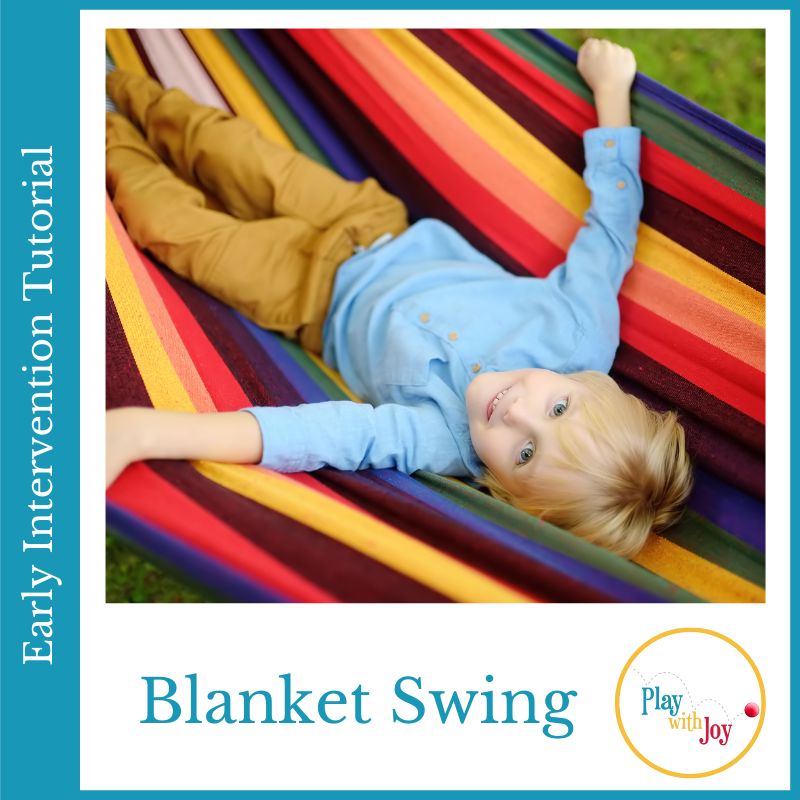
How Swinging In A Blanket Can Help Increase Communication
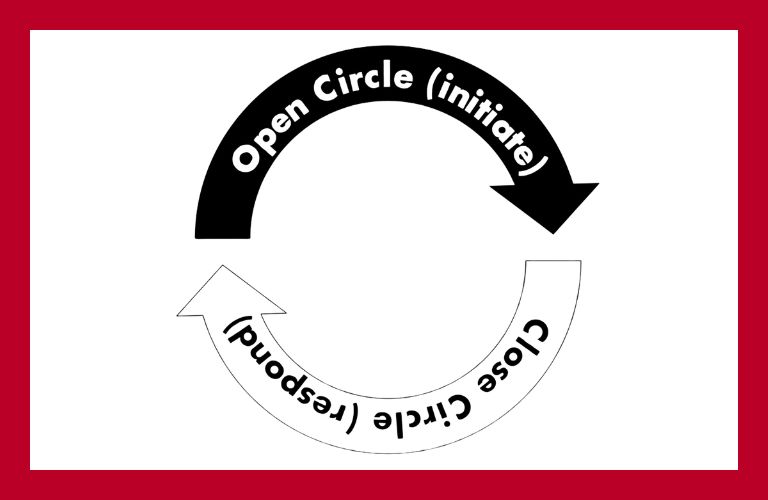
I know I say this about a lot of activities, but swinging in a blanket is one of my favorites for a neurodivergent child that is working on communication, particularly initiating (opening circles).
Here are just a few reasons why I love this activity:
It’s fun
It’s engaging
It’s motivating
It involves several sensory systems at once
There’s so many things you can do to the activity to change it up and keep it going
Most people own a blanket, so you don’t need to go out and get supplies
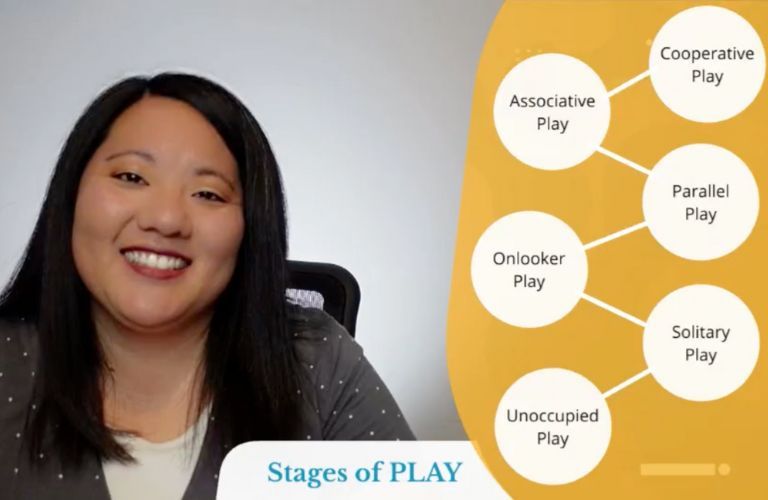
You can use this activity for all stages of play
Today I’m going to talk mostly about working with kids who are working on increasing the number of consecutive circles they have during each interaction.
As a disclaimer, remember that every child is different, and some kids don’t like the movement of being in a blanket swing. If this is the case, read the child’s cues and find a different activity.
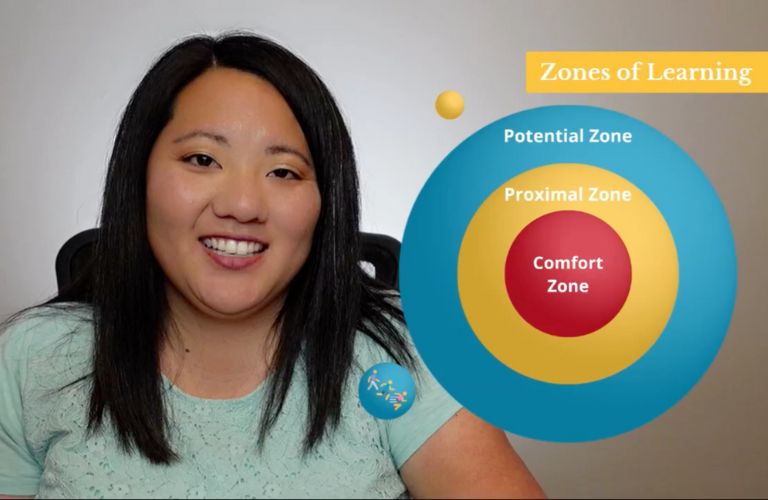
Typically, I teach the importance of following the child’s lead, but there are occasions when the child is not going to come up with an idea like swinging in a blanket unless they’ve done it before. So, obviously you may need to introduce this activity to the child. However, once you introduce it, and the child begins to initiate doing more, it then turns into their idea. If they reject your idea, then try again another time.
Start by creating a routine and having fun, and once the child is engaged, you can start changing things up. Your routine could be as simple as this:
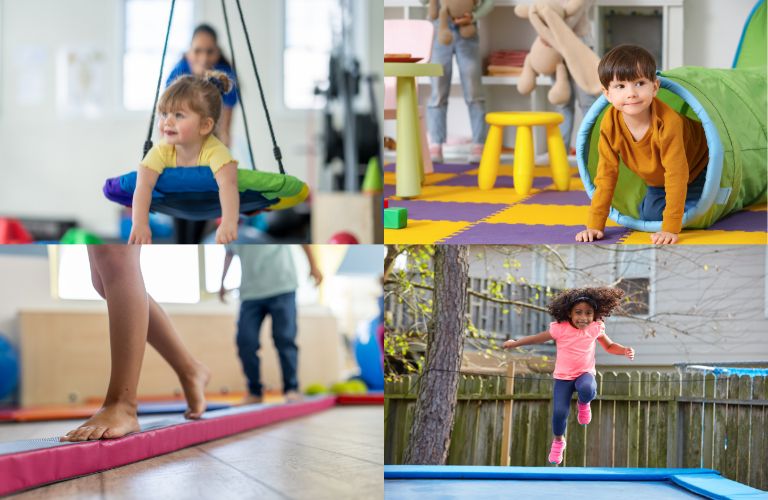
Lay the blanket on the floor
Have the child lay on the blanket
Pick the blanket up
Say something like “1,2,3, GO!”
Swing
Stop
Do this several times until you know the child wants more. Then start having long pauses. Wait expectantly for the child to initiate (open a circle) that he wants more. Remember, gestures are communication. We’re going for engagement and circles. I wouldn’t recommend saying things like “say more, say more.” You can model it and give him action words, but don’t force him to say it.
So, if the child just looks at you and smiles, you can take that as communication and say “swing!” and then start swinging.
When the child is completely engaged and wants more and more, take advantage of this time and create opportunities for the child to communicate those wants.
Change things up a little, get creative. You could fall asleep so the child has to initiate things like
waking you up
putting the blanket in your hand
initiating for you to lift the blanket up
initiating for you to swing her
Know what the child’s limits are, you don’t want to make it so hard he gives up, but you also don’t want to do too much that you’re not giving those opportunities of communication.
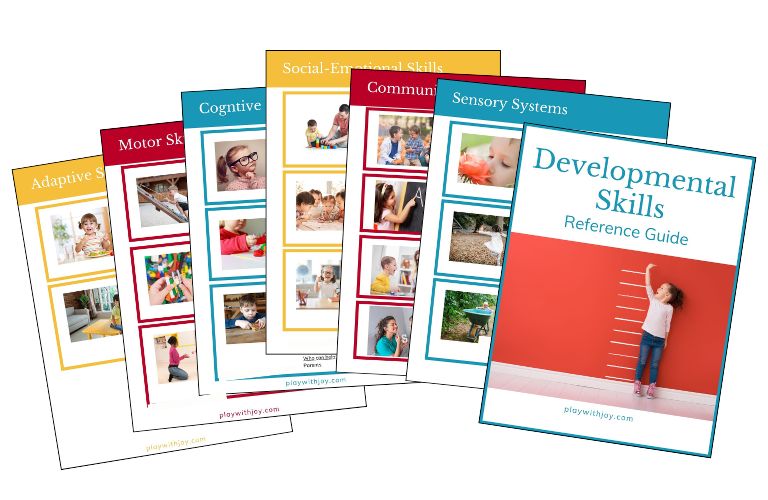
Get Your Free Developmental Skills Reference Guide
Parents, educators, and therapists – Add this to your toolbox to better understand key areas of child development. Plus get extra tips, activities and strategies to your inbox.
Unsubscribe at any time. See Privacy Policy for more details.