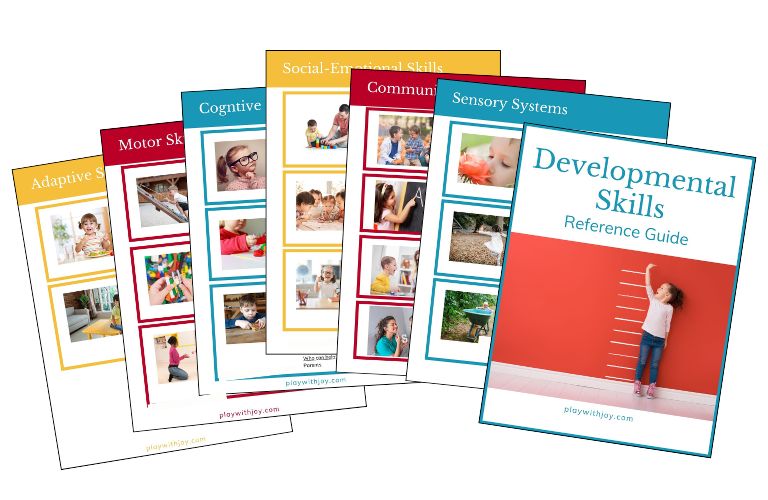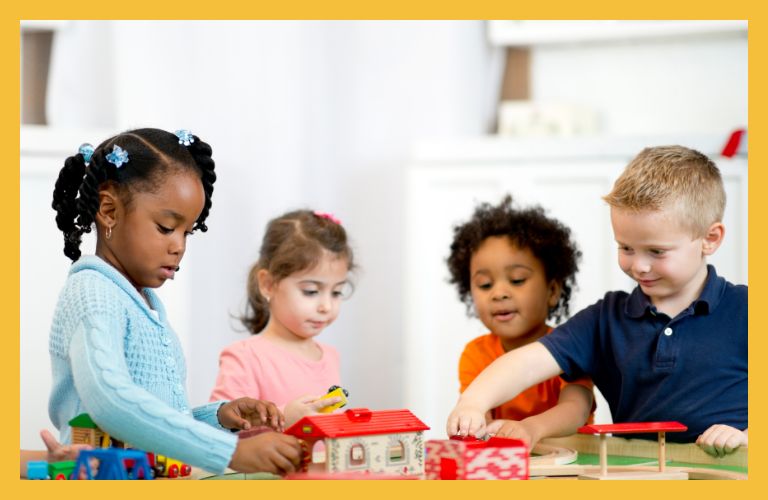
When people think about teaching social skills to autistic children, they often focus on things like eye contact, scripted conversations, or “appropriate” behavior. But real social development is much deeper than learning social rules. Social skills grow from connection, safety, communication, and shared experiences. The goal should never be to make a child appear less […]
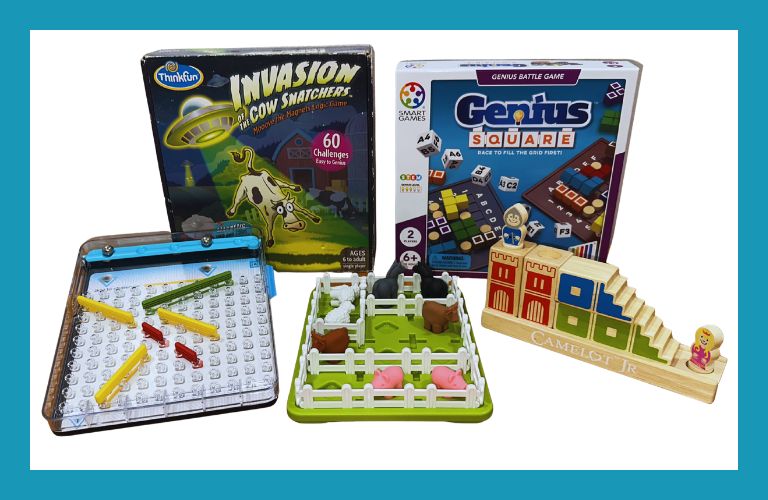
Problem solving games are one of my favorite ways to support executive skills with elementary-aged kids and older. These are the kinds of games I often use in sessions when we’re working on things like planning, flexible thinking, memory, and problem solving. They give kids a chance to think through challenges, try different strategies, and […]
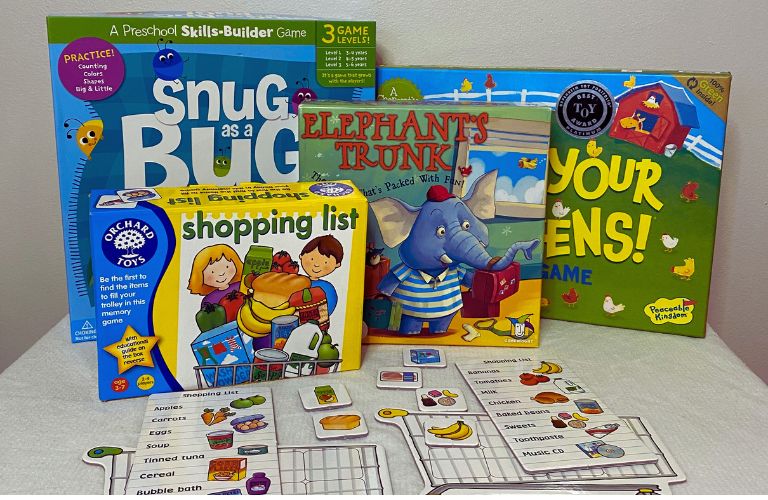
When kids start to participate in associative and cooperative play (stages 5–6), they may be ready to start playing some simple games. At this point, children are beginning to engage more with others, share ideas, and participate in back-and-forth interactions. Simple games can support this by giving them a structure for turn-taking, shared attention, and […]
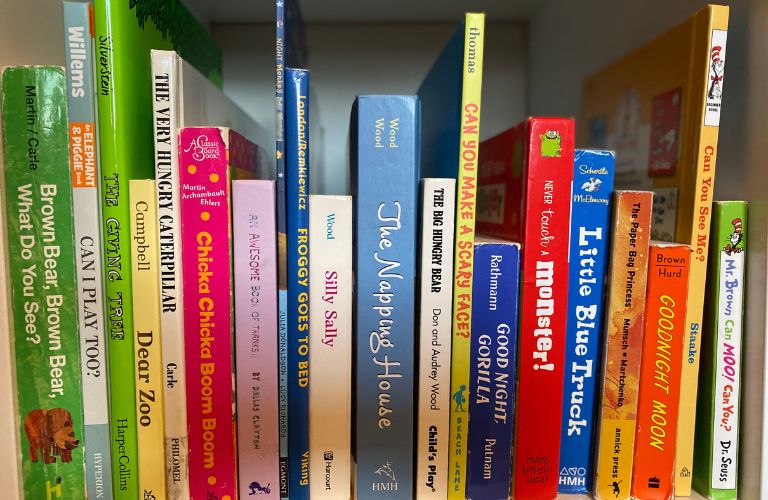
When it comes to preschool books, I look for stories that invite children into the reading, not just ones they listen to. I especially love books with repetition—stories where the same phrases show up again and again. This predictability helps children anticipate what comes next and “read” along with me, even before they can read […]
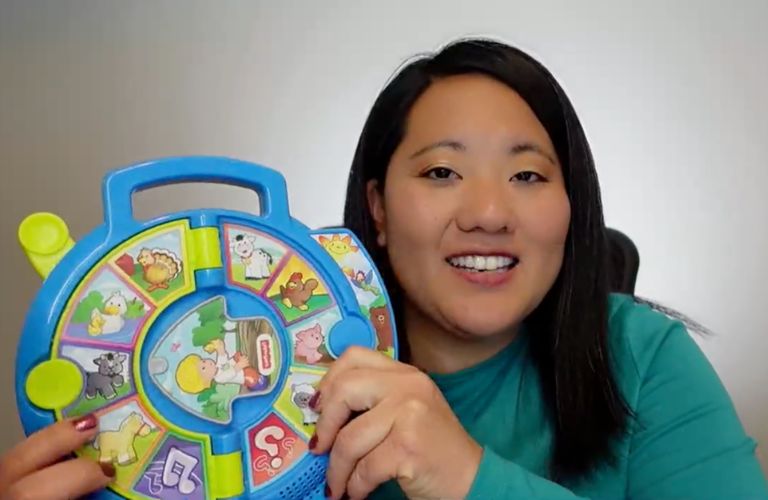
If you’re looking for simple, meaningful ways to support play, I’ve gathered all of my favorite toy ideas in one place. Instead of searching through multiple posts, you can now click on the category that fits what you’re looking for and find my go-to recommendations for that type of play. Whether you’re thinking about sensory […]
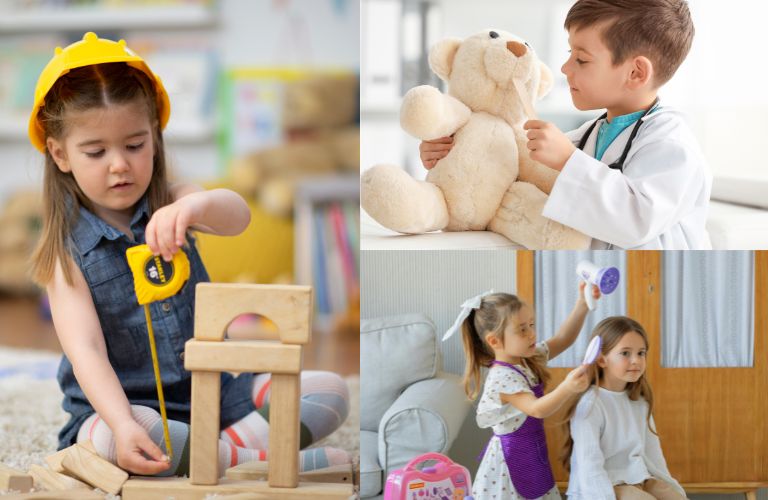
When a child pretends to cook a meal, care for a baby, or become a doctor or firefighter, they’re stepping into roles they’ve seen and experienced. This kind of play helps them process real-life situations, build understanding, and try things out in a safe and flexible way. It’s where ideas, emotions, and experiences come together. […]
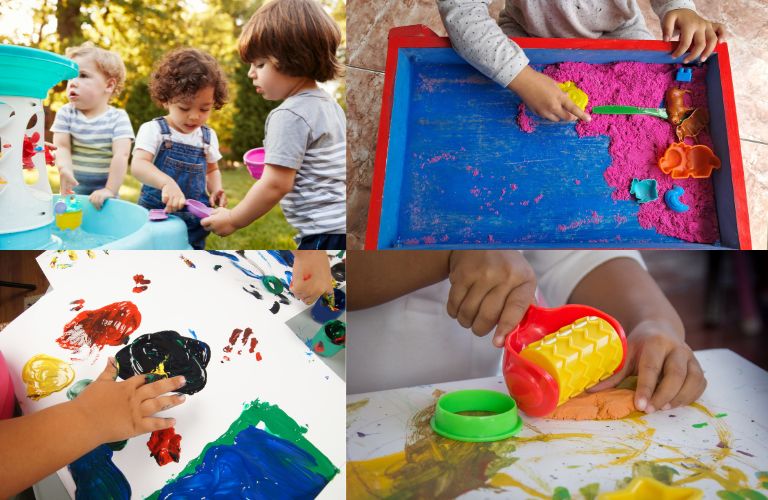
The tactile system is one of the first ways children learn about the world. Through touch, they begin to explore, discover, and make sense of what’s around them. From squishing and squeezing to brushing, rubbing, and digging—tactile input plays a powerful role in development. Tactile input is how we take in information through out skin […]
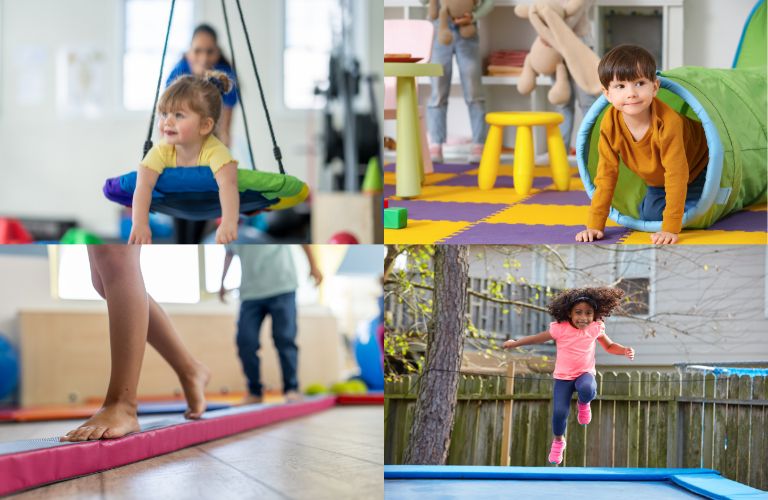
Our vestibular system and proprioceptive system are two of our 8 senses. It’s something I didn’t learn about until I started working with children and working with an occupational therapist. However, it’s something I start to teach parents about during our first session because it’s so important to understand in child development. The vestibular system […]
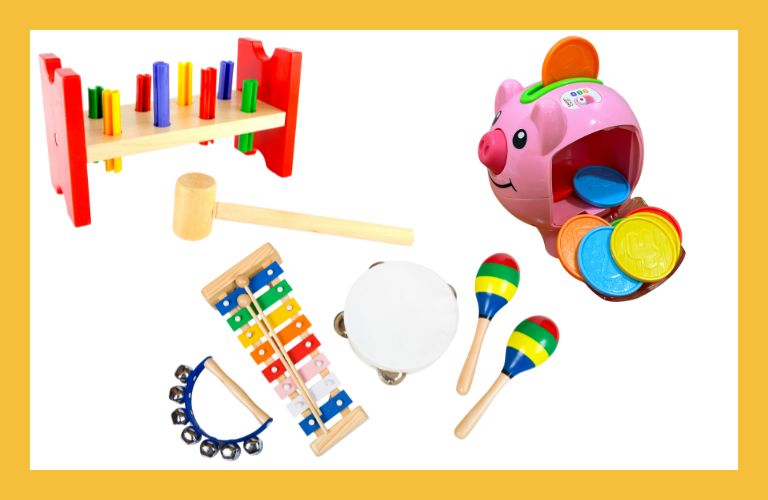
Cause and effect is one of the first ways a child starts to make sense of their world. When a child kicks and something moves, or presses a button and hears a sound, they’re learning something foundational: what I do matters. This is where play begins. Cause and effect toys give children clear, predictable feedback. […]
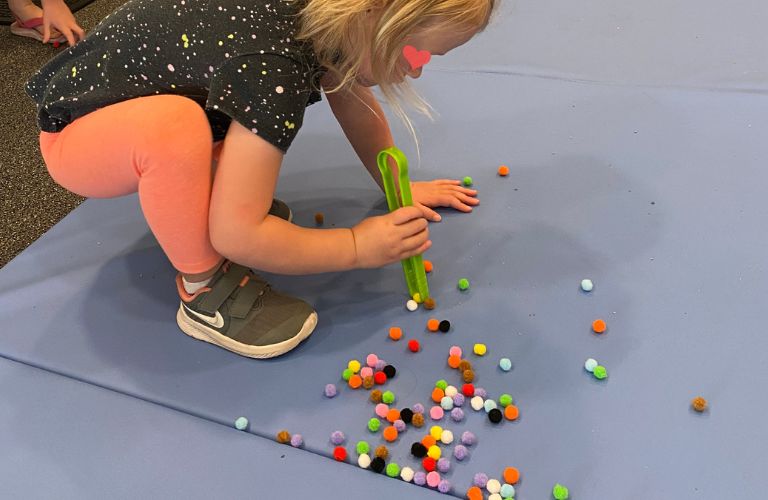
Why are fine motor skills so important? A lot of times we think about working on fine motor skills so that we can write, but there is so much more to it. I think we (me included) take for granted the many things we do every day with our hands. Think of all the things […]