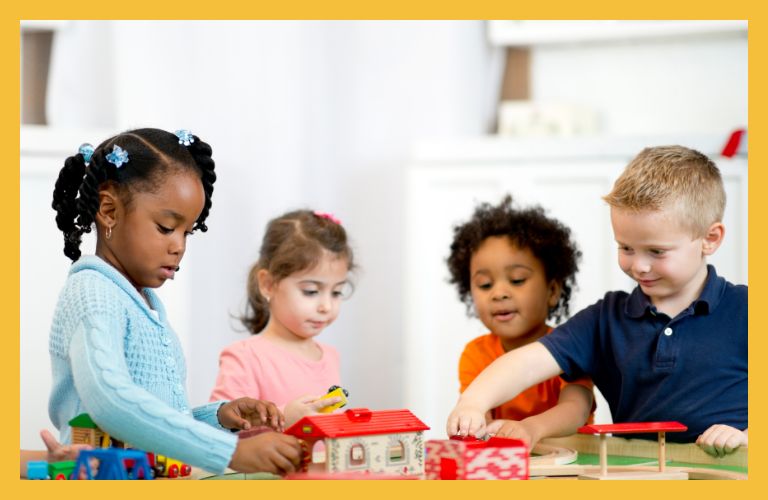
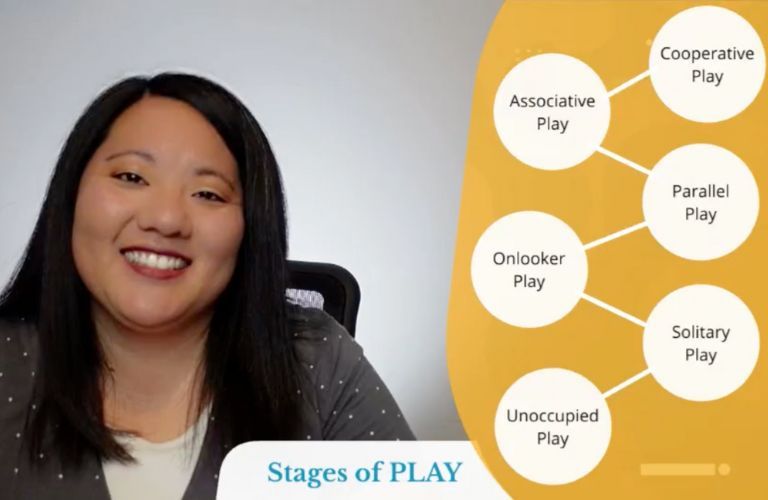
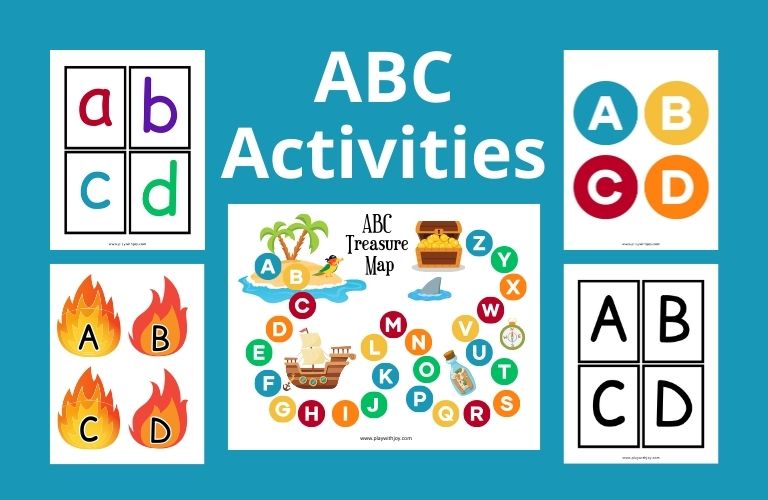
When kids start to participate in associative and cooperative play (stages 5–6), they may be ready to start playing some simple games.
At this point, children are beginning to engage more with others, share ideas, and participate in back-and-forth interactions. Simple games can support this by giving them a structure for turn-taking, shared attention, and staying engaged with another person.
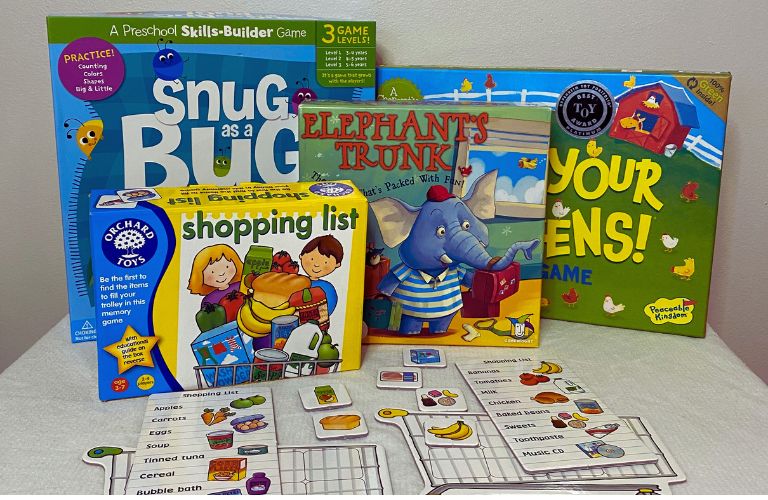
Games at this stage don’t need to be complex. In fact, the simpler, the better. Think basic matching games, rolling a die and moving a piece, or taking turns with a shared activity. These early game experiences are less about winning and more about learning how to play with others.
It’s also important not to get stuck on following all the rules right away. Many children need time to understand the flow of a game before they can fully follow it. Being flexible—changing the rules, simplifying steps, or supporting them through turns—helps meet the child where they are and keeps the experience positive.
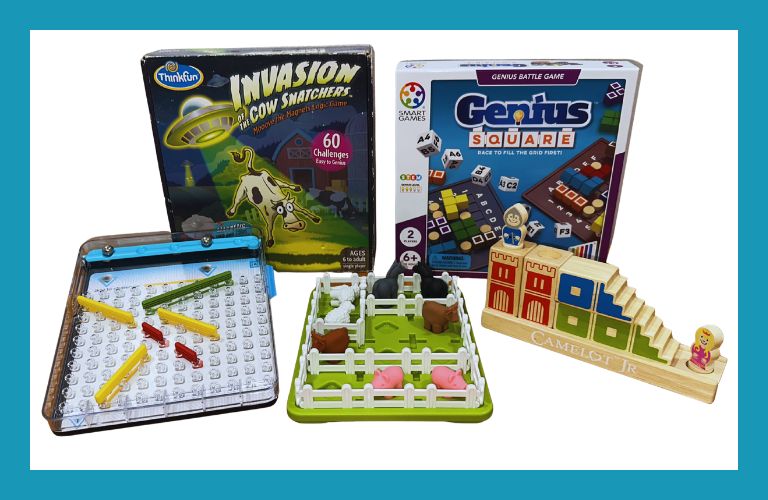
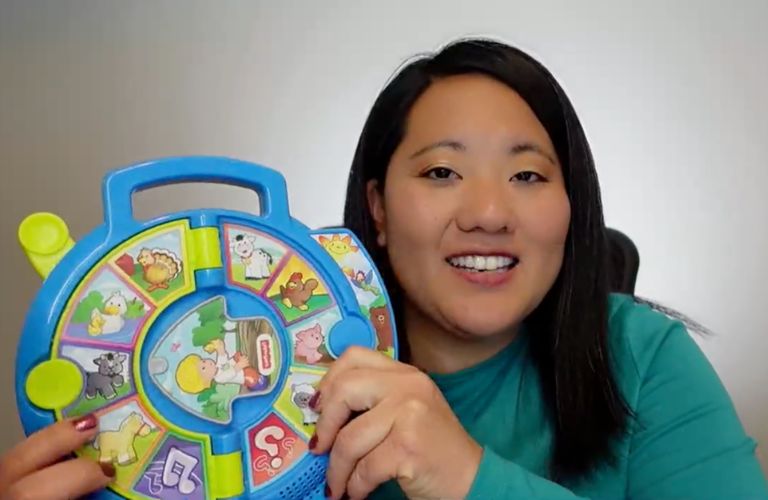
Game Ideas
As an Amazon Affiliate, I may earn from qualifying purchases at no extra cost to you. Click here for my full Amazon Storefront.
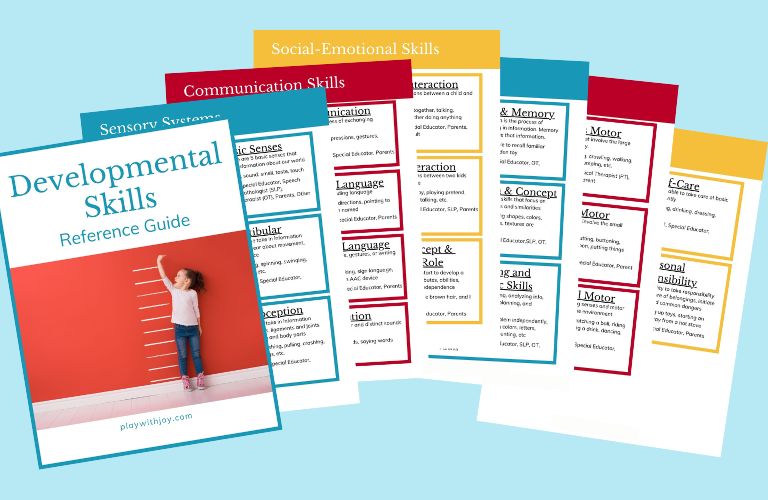
Get Your Free Developmental Skills Reference Guide
Parents, educators, and therapists – Add this to your toolbox to better understand key areas of child development. Plus get extra tips, activities and strategies to your inbox.
Unsubscribe at any time. See Privacy Policy for more details.