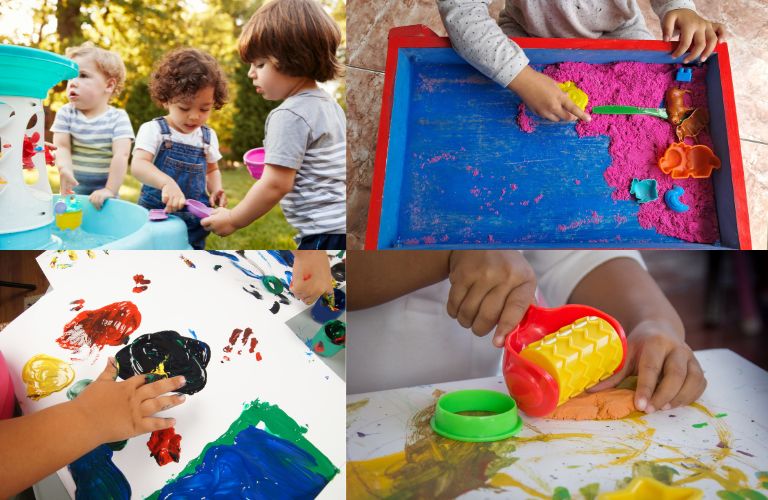
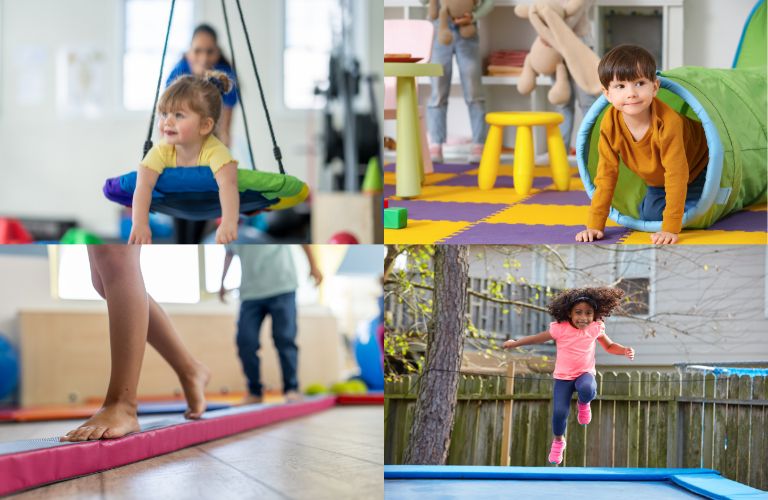
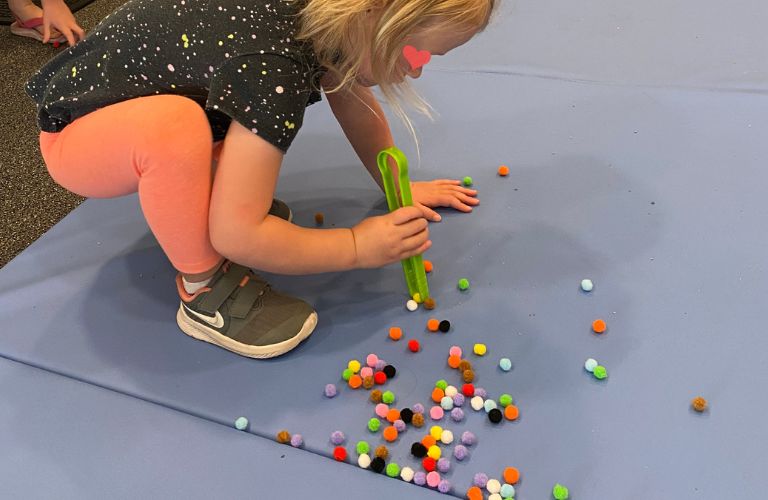
Understanding the stages of play is key to supporting a child’s development. Play is more than just fun—it’s how children learn communication skills, social interaction, problem-solving, motor development, and more.
From unoccupied play to cooperative and imaginative play, each stage builds on the last, helping children gain the skills they need for early learning and school readiness. Knowing the typical stages of play allows parents, educators, and therapists to provide developmentally appropriate activities that encourage growth, confidence, and success in everyday life.
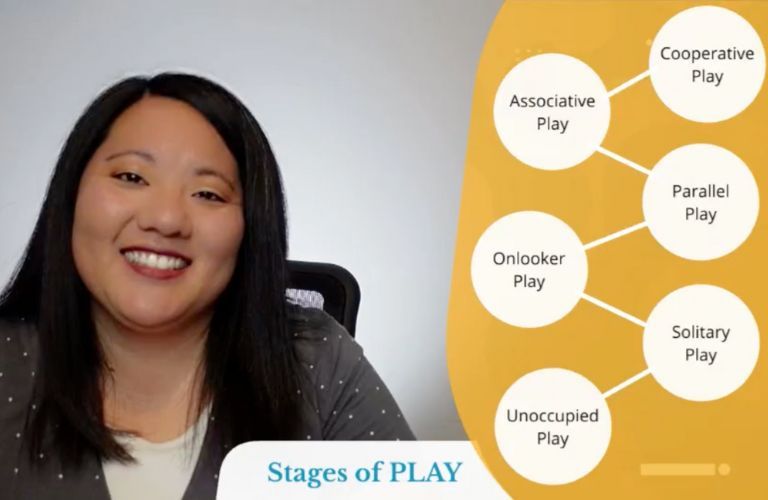
The idea of the stages of play was first introduced by Mildred Parten back in 1932. She noticed that kids play in different ways as they grow, and each type of play helps them learn new skills. Here are the stages:
Unoccupied Play
Solitary Play
Onlooker Play
Parallel Play
Associative Play
Cooperative Play
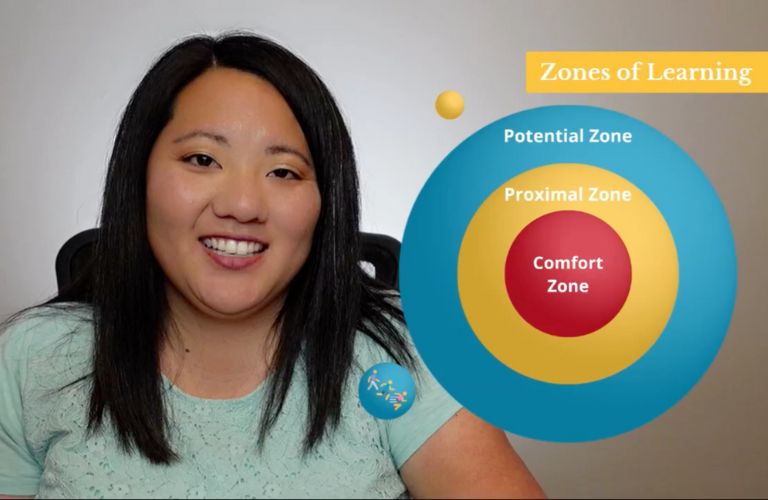
It’s important to understand what stage of play a child is at so that we can play at the right level. If we’re playing too high or if we’re making things too easy all the time, we won’t see as much growth. As we adapt activities to the appropriate stage of play, the child will have more opportunities that will challenge them and help them progress.
*This tutorial includes selected video lessons from the course Parents Playing on Purpose. Since only specific sections are included, some references may be made to additional videos that are not available within this tutorial.
Unoccupied Play is when a child doesn’t seem to participate in play. The child may watch others play at times and make random body movements.
What is Solitary Play?
Solitary Play is when a child plays with their own toys doing their own activity.
Skills
In these videos, I’ll go over a few skills you’ll want to focus on with kids that are participating in unoccupied and solitary play.
Sensory Processing
Engagement
Communication
Tips & Strategies
Here are just a few tips for you if you are working with a child that is participating in unoccupied or solitary play
Activity Ideas
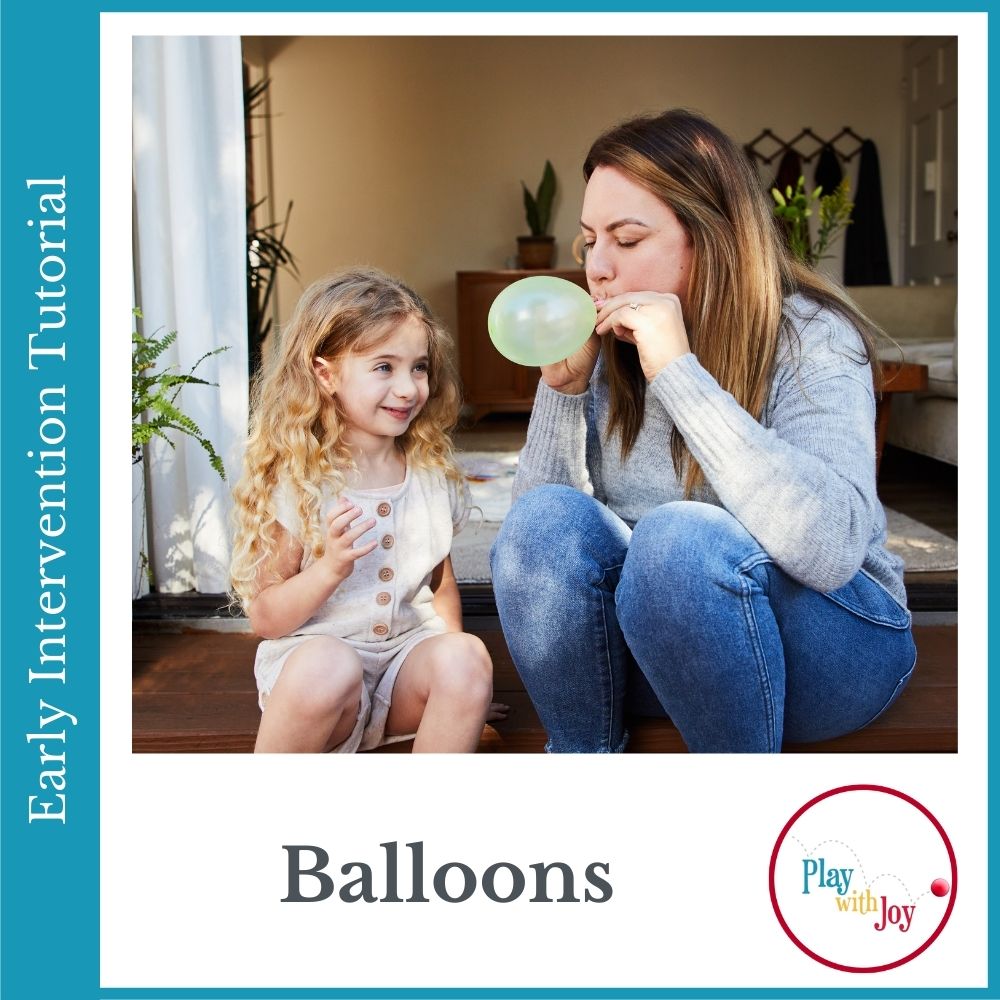
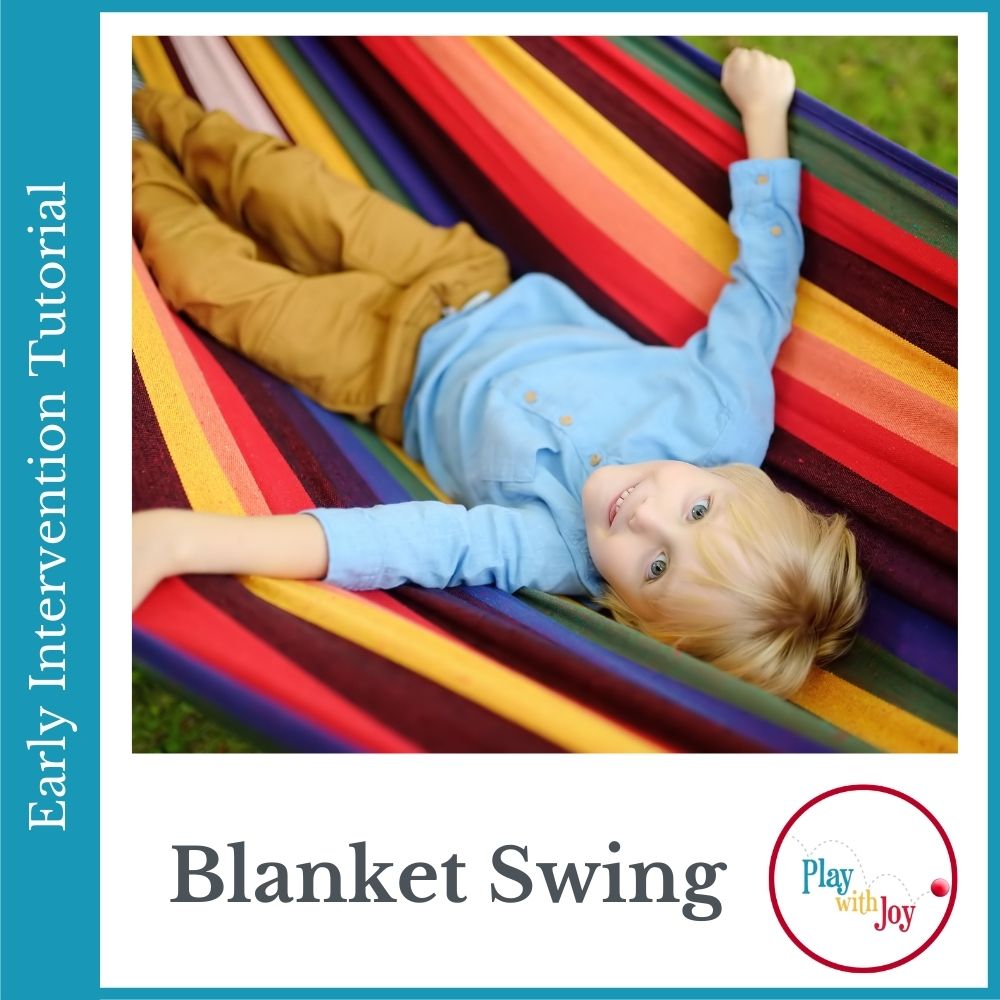
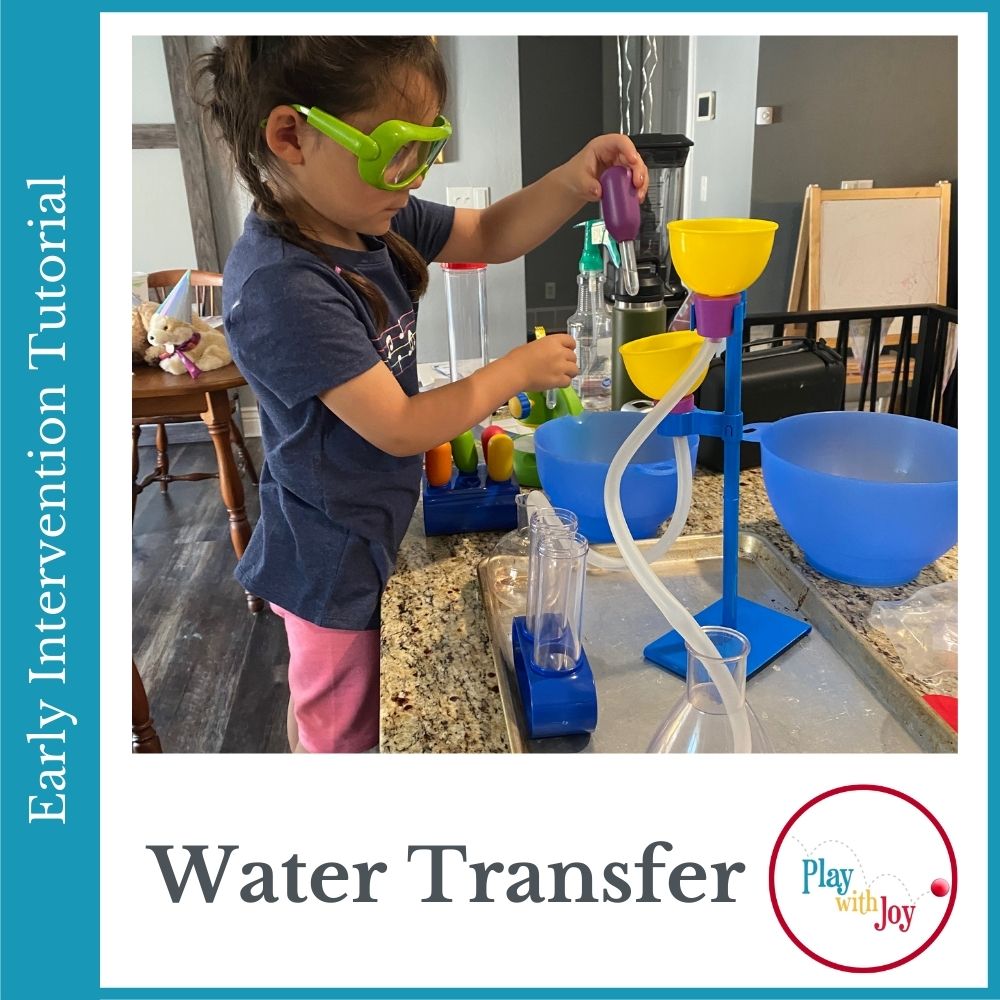
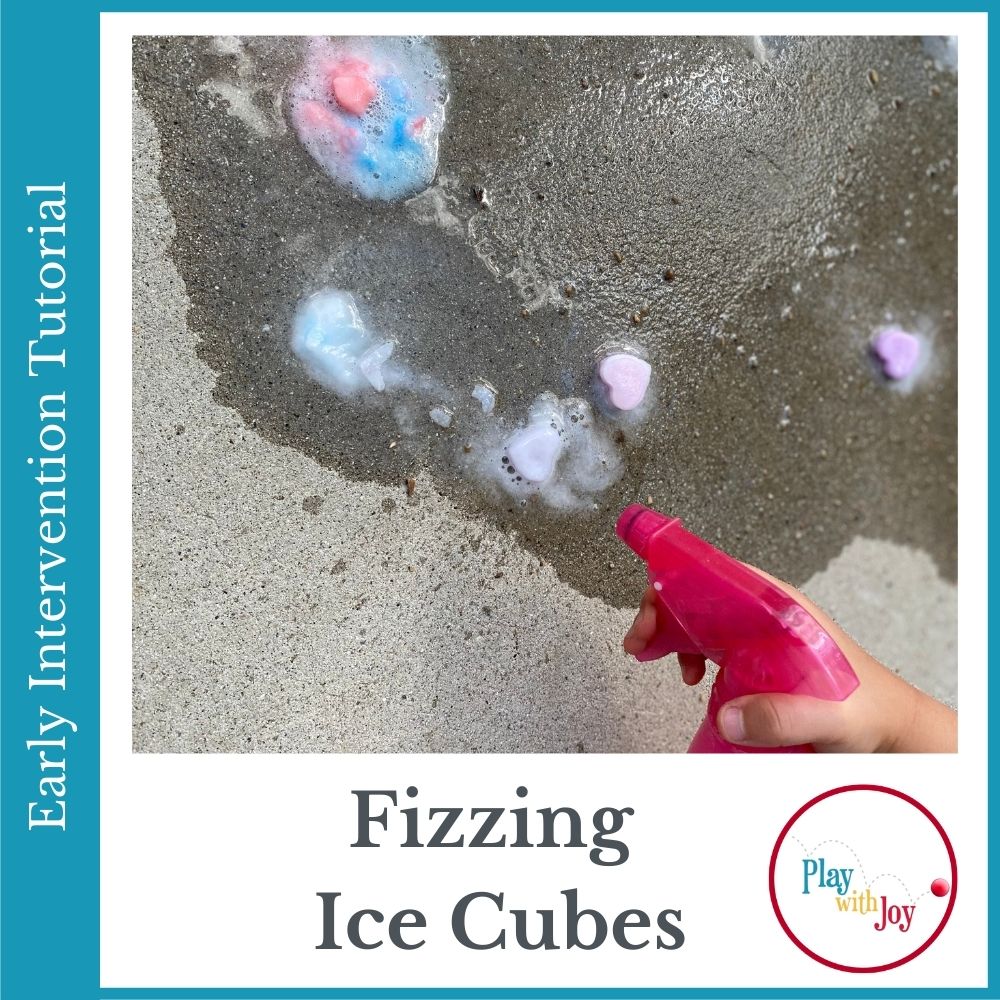
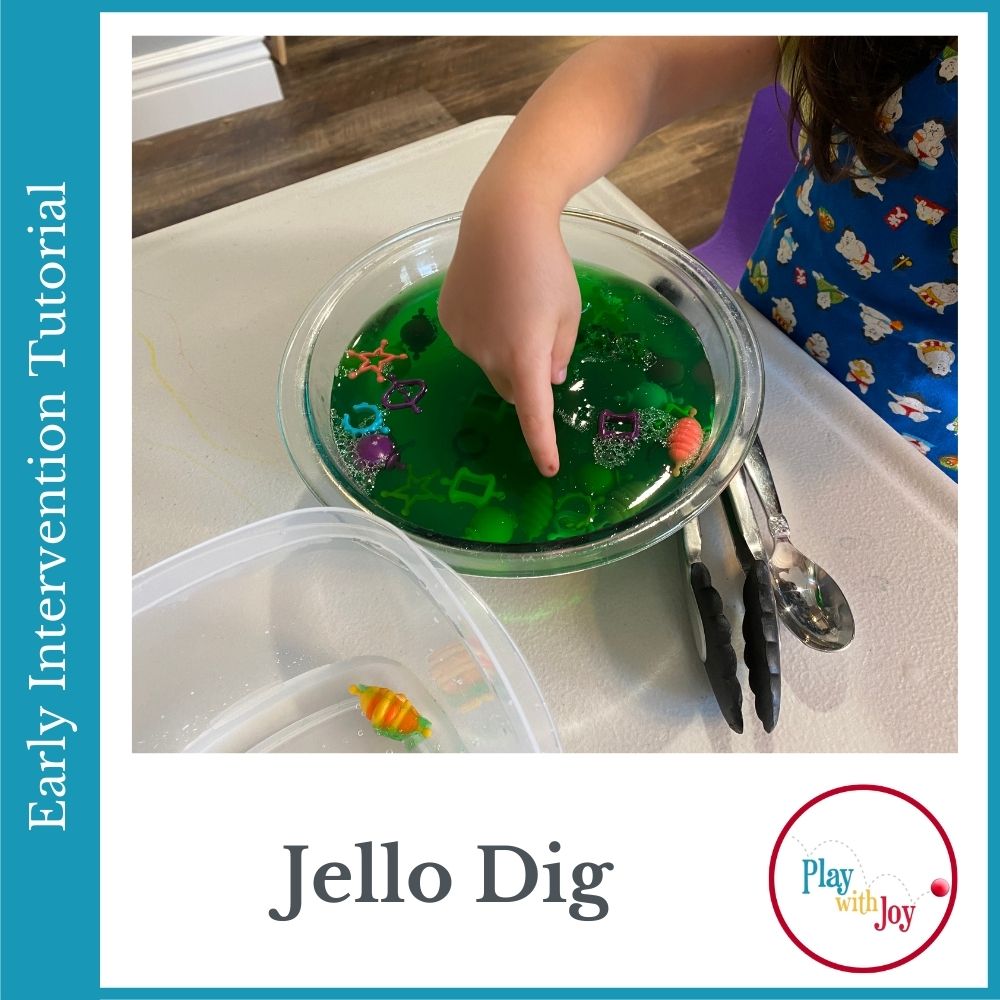
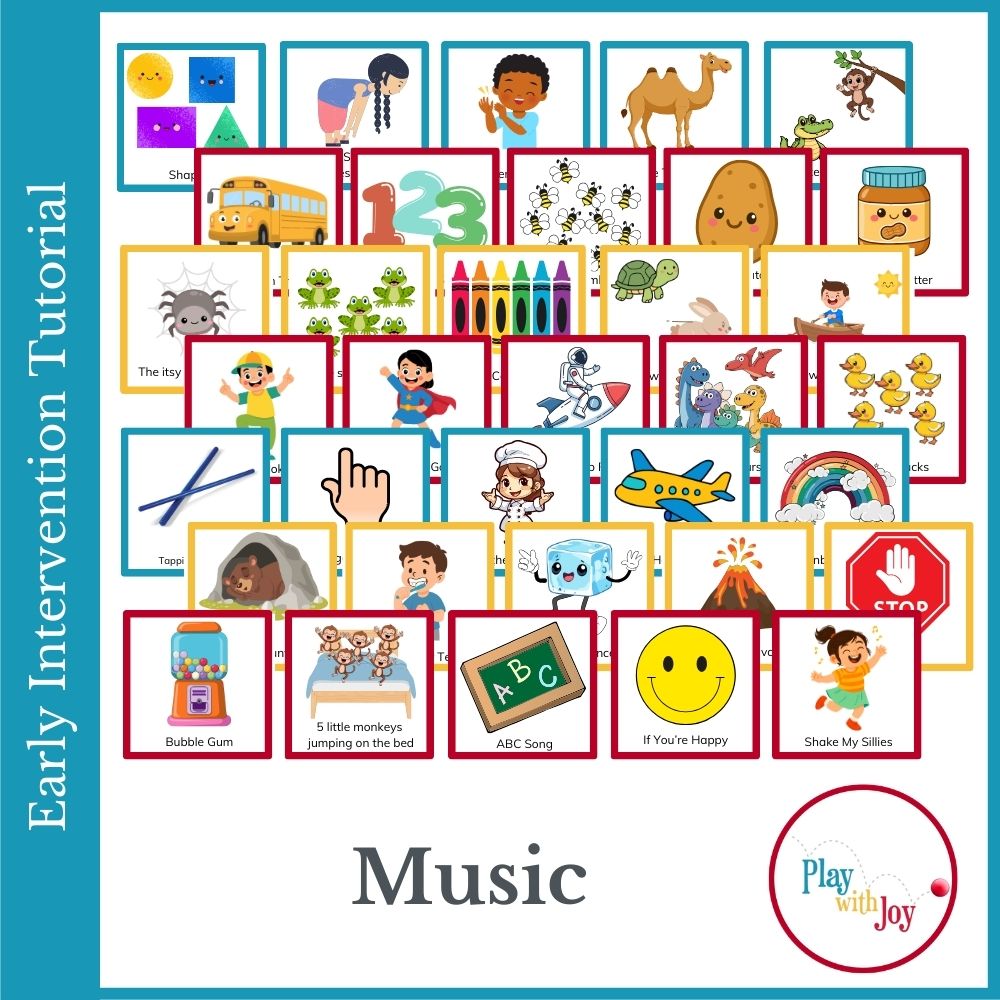
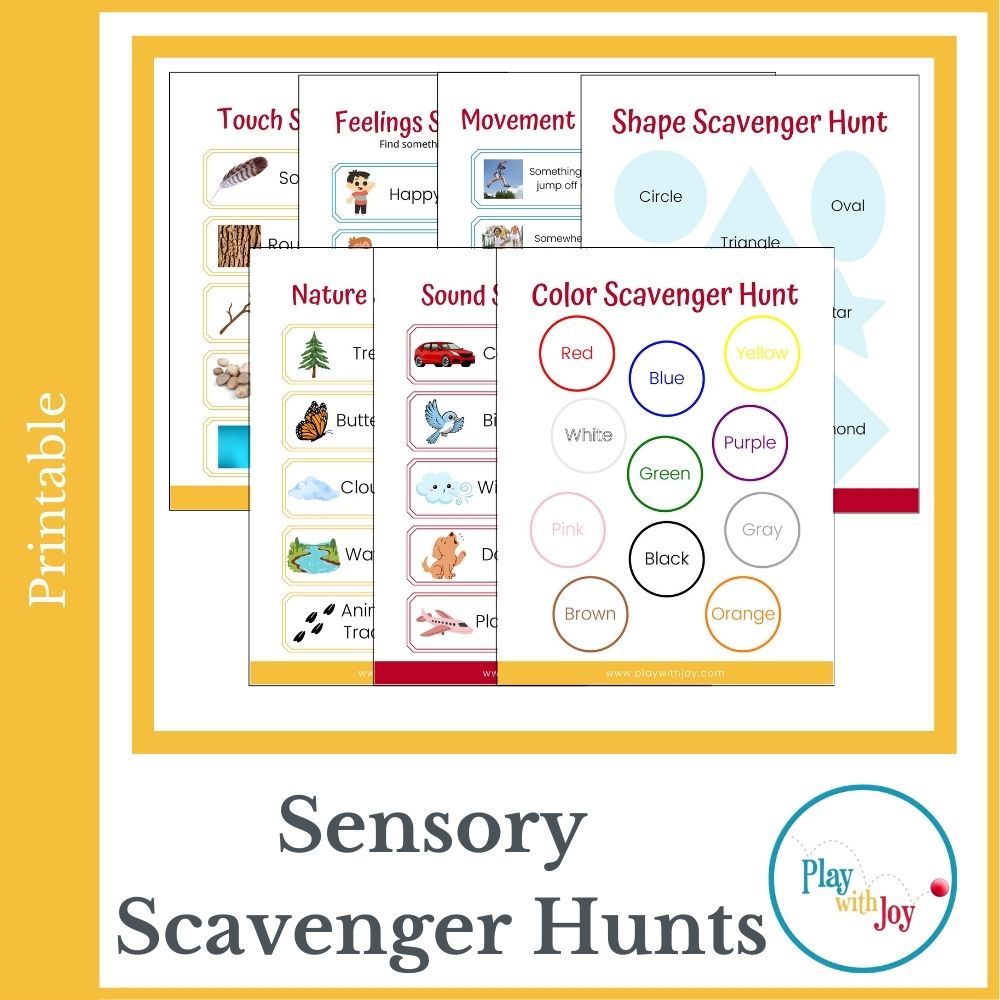
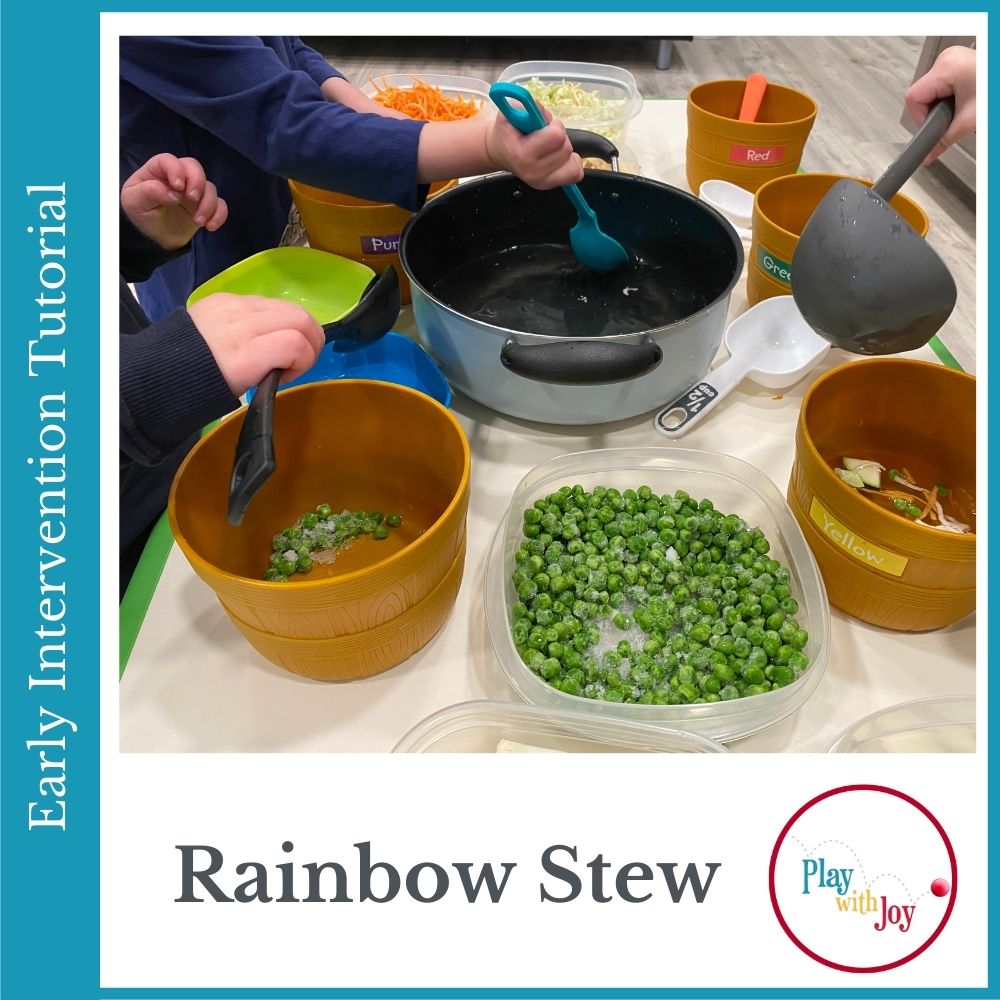
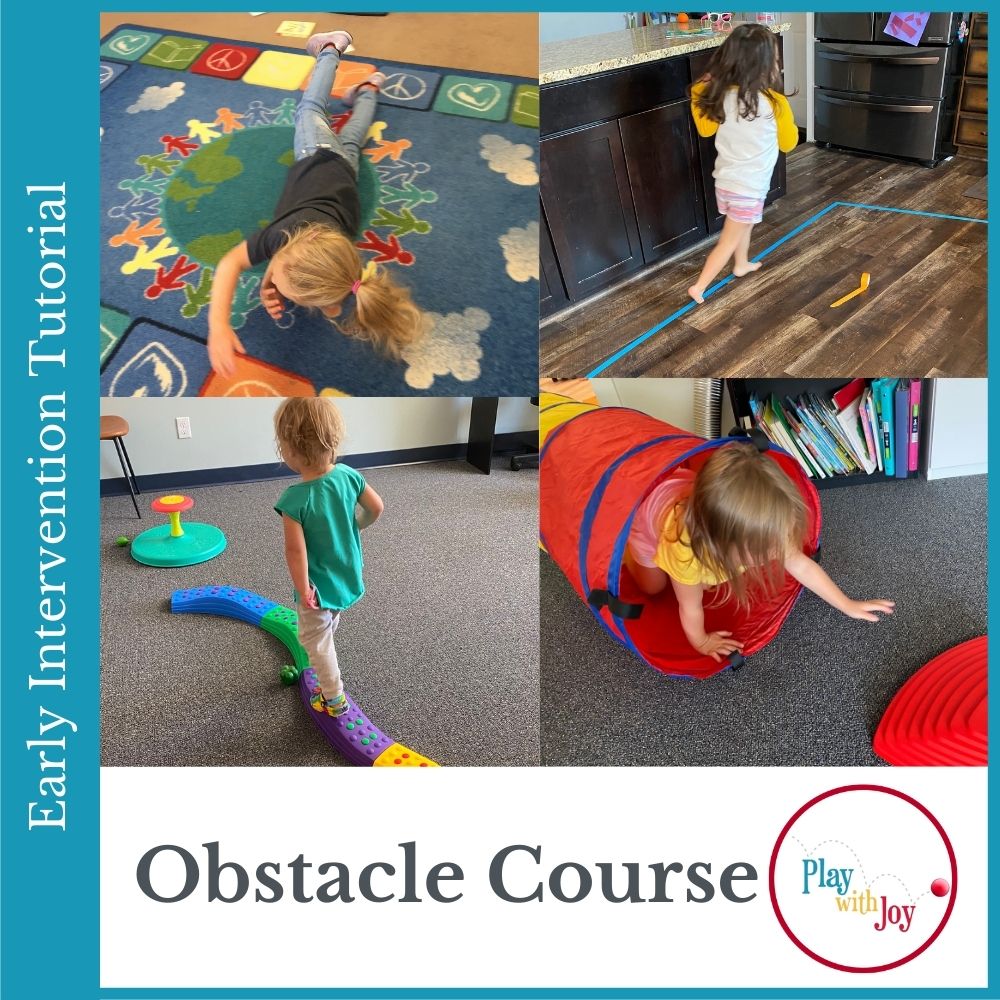
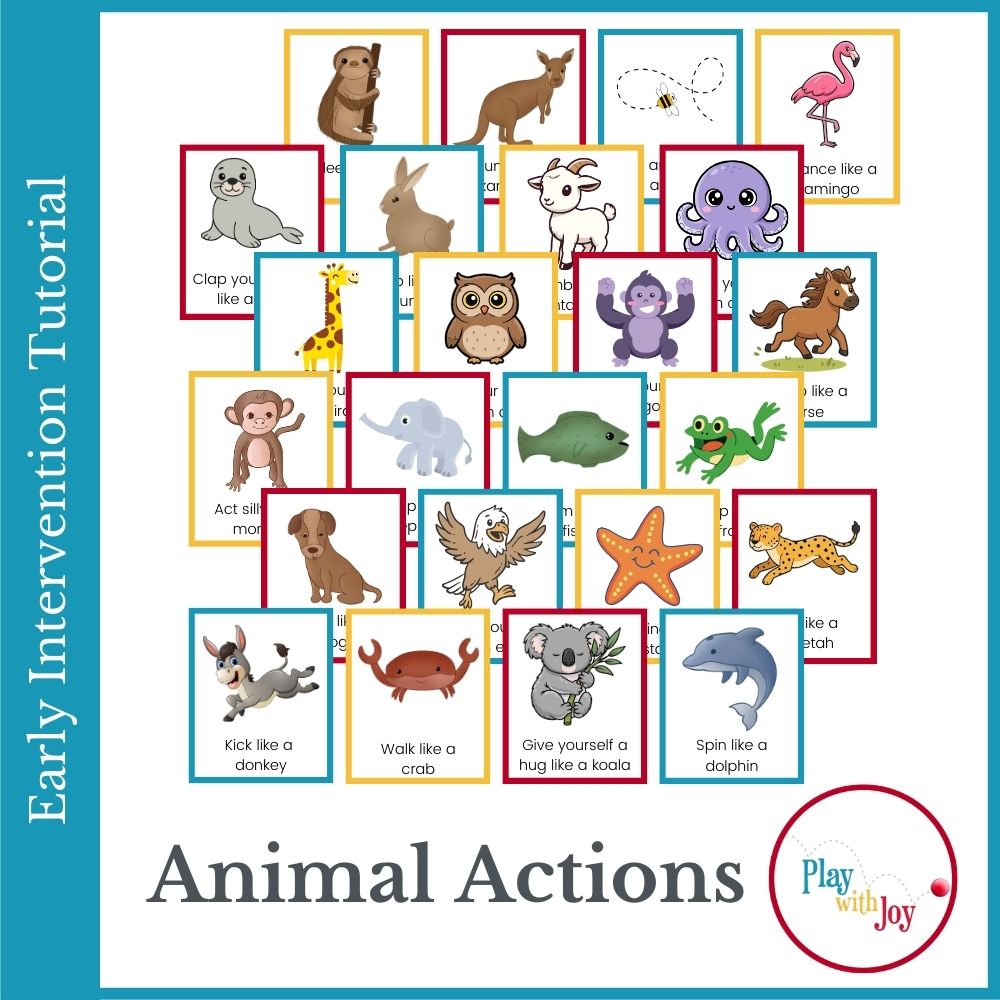
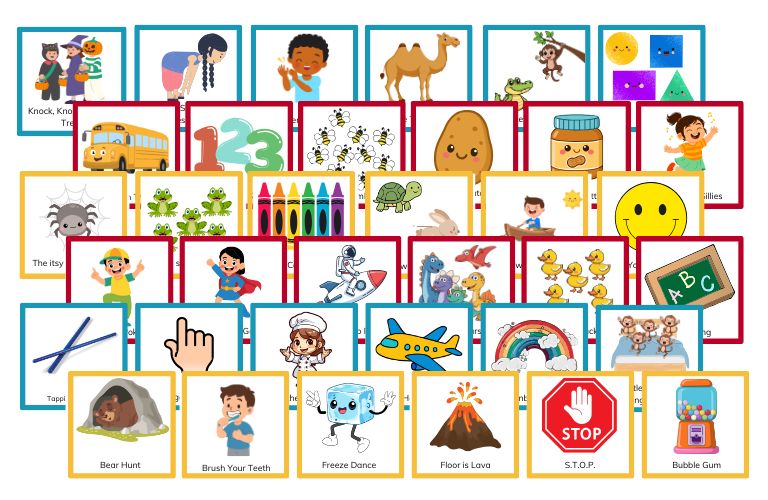
Here are links to some Early Intervention Tutorials that you may be interested in for kids participating in unoccupied play & solitary play. You can also find more activities at playwithjoy.com/shop and you can filter by stages of play.
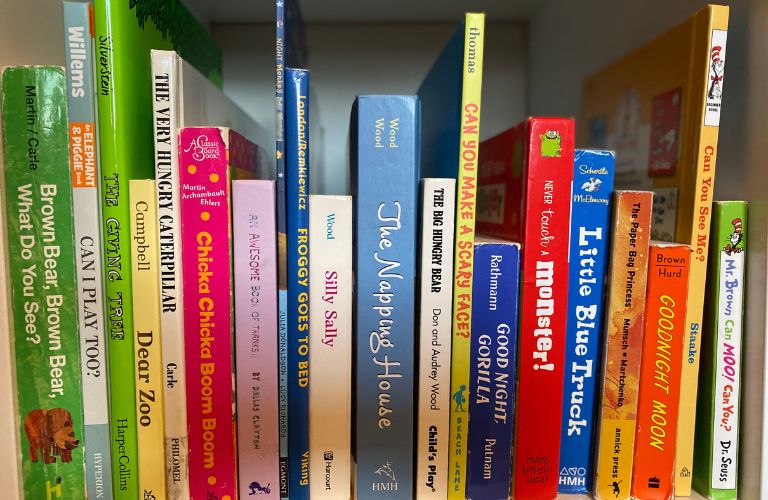
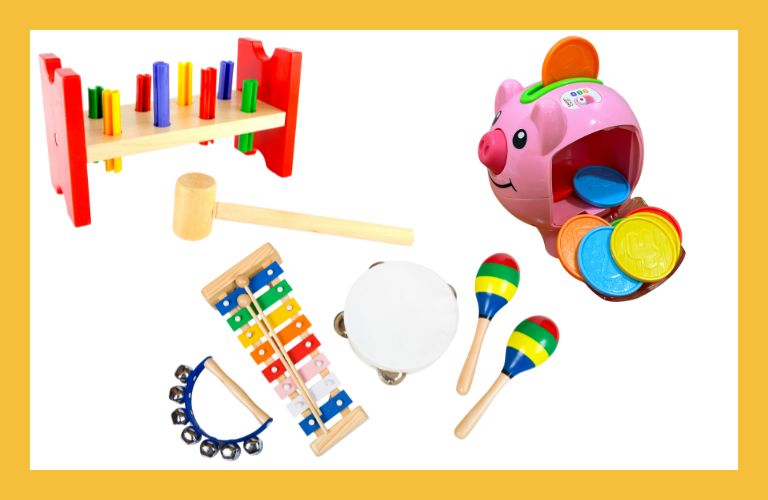
Toys Ideas
Tips for Buying Toys
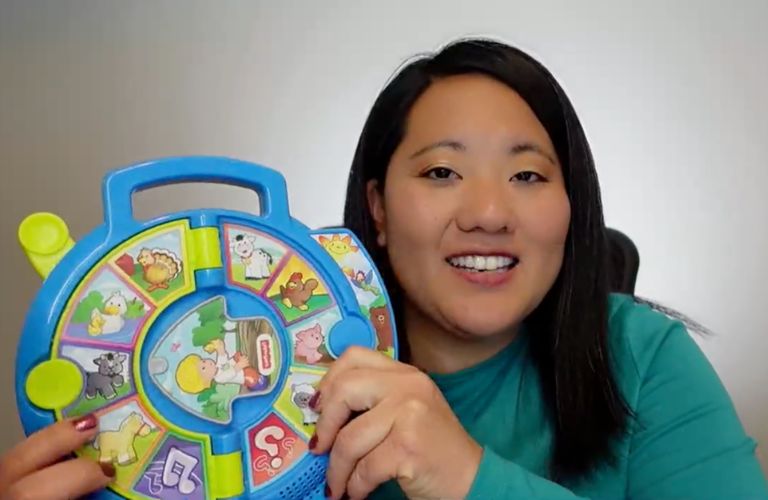
Avoid toys with a lot of lights and sounds. They’re hard to compete with. Our goal here is for the child to engage with us more than the toy
Cause and effect toys are good for this stage, especially if it’s something you can do together
Sensory toys are great for this stage
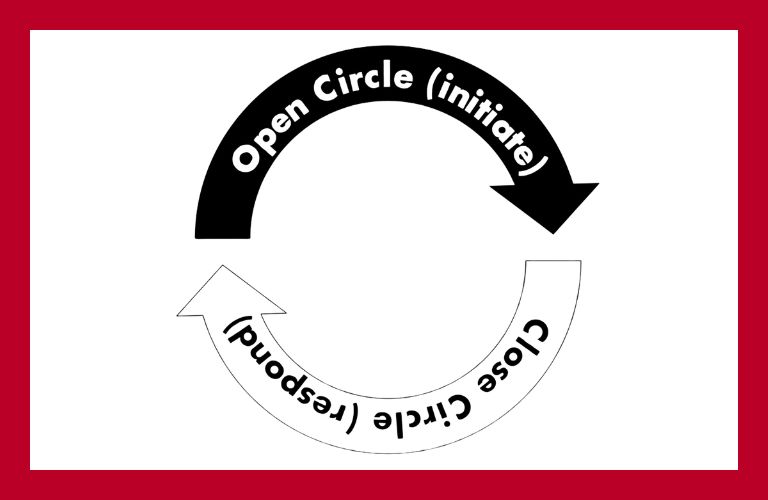
If you play with toys with lots of objects for the child to request, remember not to do this to frustration. Meaning, don’t force the child to say “more” every time. Remember a circle of communication can be just a simple gesture like reaching for the toy, or even a facial expression. Any type of indication they want more is great, take it as communication!
Look for toys that you can use to increase Circles of Communication
Some of the toys for stages 3-4 will also be good for stages 1-2
I mentioned an Amazon Idea List, but they no longer have those available, so here is a link to my Walmart store with some of my recommendations. As a Walmart affiliate, I may earn from qualifying purchases at no extra cost to you.
Onlooker Play is also known as Spectator Play. This is when a child watches others play, but doesn’t attempt to join them.
What is Parallel Play?
Parallel Play is when a child plays next to another child with similar toys.
At the end of the video I say the next lesson is about associative play, which it was in the Parents Playing on Purpose course. In this tutorial, you’ll find it in the next section.
Skills
In this video, I’ll go over a some skills you’ll want to focus on with kids that are participating in onlooker and parallel play.
Tips & Strategies
Here are tips for you if you are working with a child that is participating in onlooker or parallel play
**You can check out the activity: 1-2-3 Go Games to learn more about sequences.
Activity Ideas
Here are links to some Early Intervention Tutorials that you may be interested in for kids participating in onlooker play & parallel play. You can also find more activities at playwithjoy.com/shop and you can filter by stages of play.
Toy Ideas
Tips for Buying Toys
The goal of these toys is to increase circles of communication and get more engagement
Toys with lots of objects to request are great for this stage too. Refer to my note in Toys for Stages 1-2.
Toys for stages 1-2 will also be good at this stage.
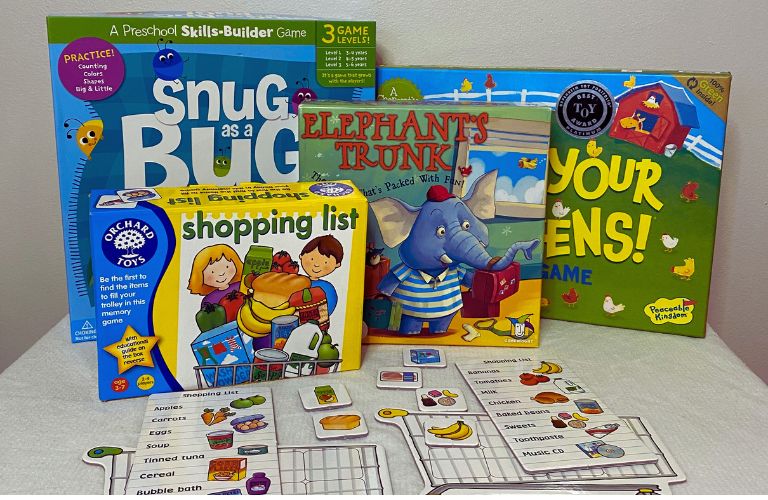
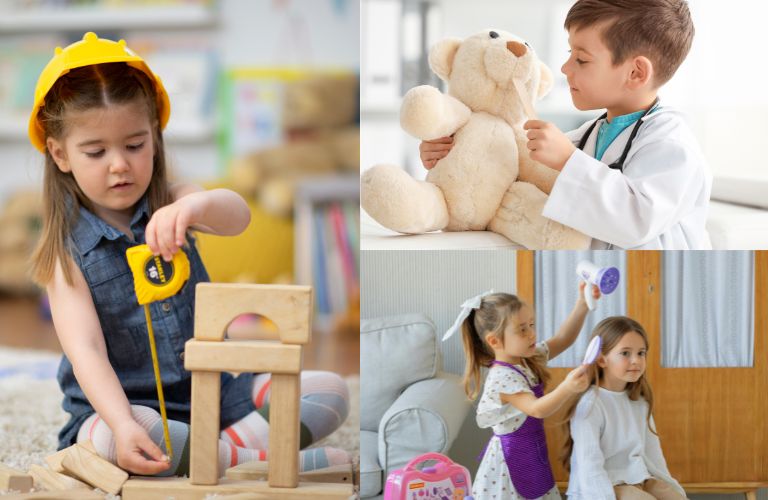
This would be when you can start introducing simple pretend play toys as well.
Here is a link to my Walmart store with my recommendations. As a Walmart Affiliate, I may earn from qualifying purchases at no extra cost to you.
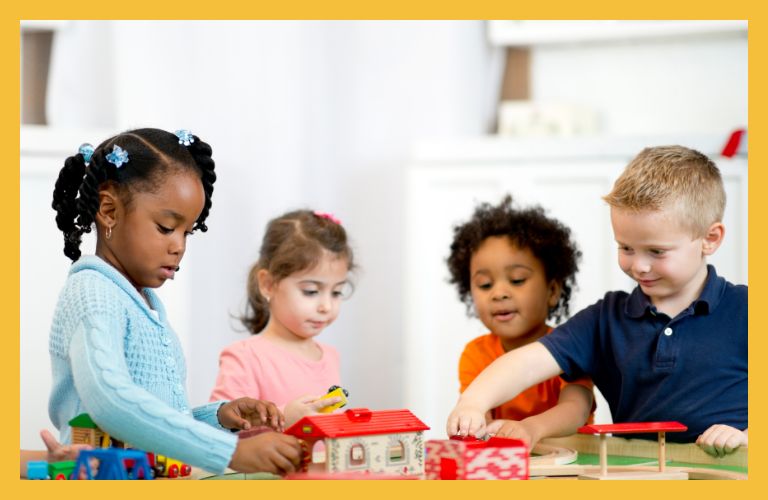
Associative Play is when kids play with each other, doing similar things, but the play is not organized.
What is Cooperative Play?
Cooperative Play is when kids are playing together and the play is organized. The kids may plan together what they’re going to do and have a goal.
At the end of this video I said that the next video I will explain how to know which module to go onto next, that does not apply to the Stages of Play tutorial. I’ve put the videos in order of what to watch in this tutorial.
Skills
Here we’ll discuss some skills that you’ll want to work on with kids who are participating in Associative and Cooperative Play
Tips
Tips for you if you’re working with kids that are participating in Associative Play or Cooperative Play.
Activity Ideas
Here are links to some Early Intervention Tutorials that you may be interested in for kids participating in associative play and cooperative play. You can also find more activities at playwithjoy.com/shop and you can filter by stages of play.
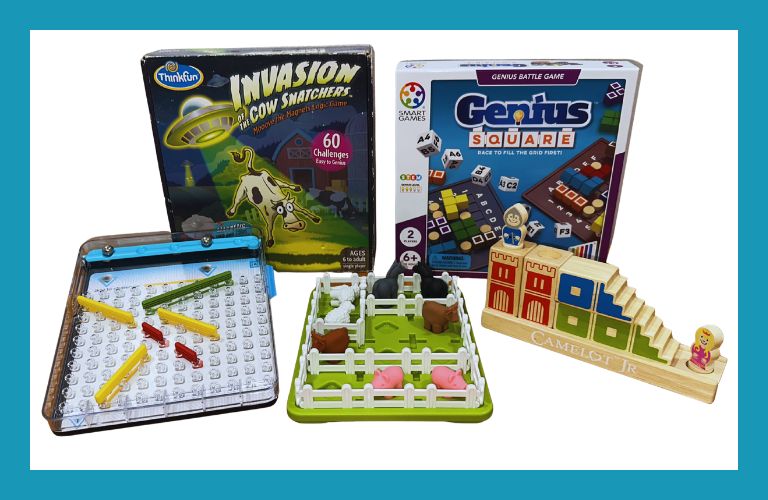
Toy Ideas
Tips for Buying Toys
These are the stages where we want to focus a lot on pretend play
Kits at these levels are also ready for games with rules
We also want to focus on cooperative activities at these stages.
There may also be toys that are still good at this stage that I recommended in the other stages
Here is a link to my Walmart store with my recommendations. As a Walmart Affiliate, I may earn from qualifying purchases at no extra cost to you.
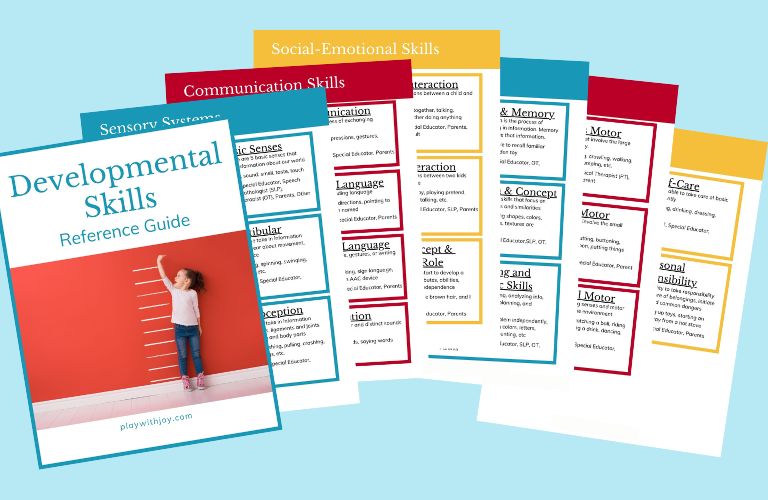
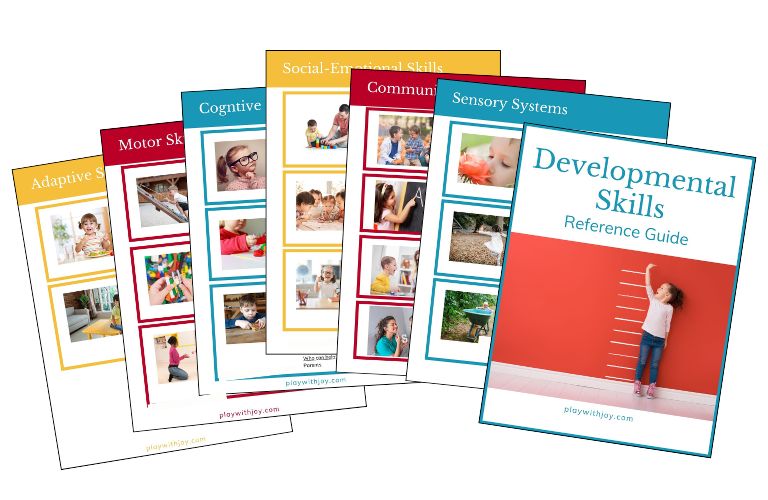
Get Your Free Developmental Skills Reference Guide
Parents, educators, and therapists – Add this to your toolbox to better understand key areas of child development. Plus get extra tips, activities and strategies to your inbox.
Unsubscribe at any time. See Privacy Policy for more details.