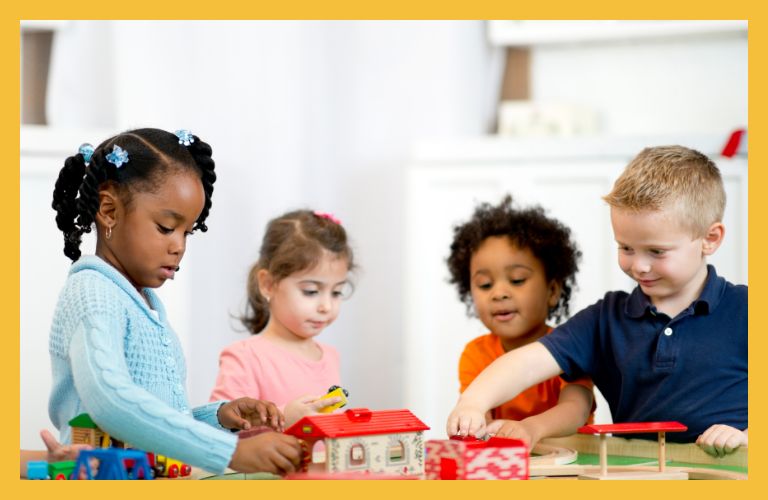
When people think about teaching social skills to autistic children, they often focus on things like eye contact, scripted conversations, or “appropriate” behavior. But real social development is much deeper than learning social rules.
Social skills grow from connection, safety, communication, and shared experiences.
The goal should never be to make a child appear less autistic. The goal is to help them build meaningful relationships while staying true to who they are.
Start With Connection
Children learn best through relationships. If a child feels constantly corrected or pressured in social situations, learning becomes much harder.
Focus first on:
safety
co-regulation
trust
and connection
When children feel understood, social growth becomes more possible.
Understand the “Why” Behind Social Struggles
Many social challenges are connected to things like:
sensory overload
language processing differences
emotional regulation
executive functioning
or difficulty reading social cues in real time
What looks like “poor social skills” is often a child feeling overwhelmed or unsupported.
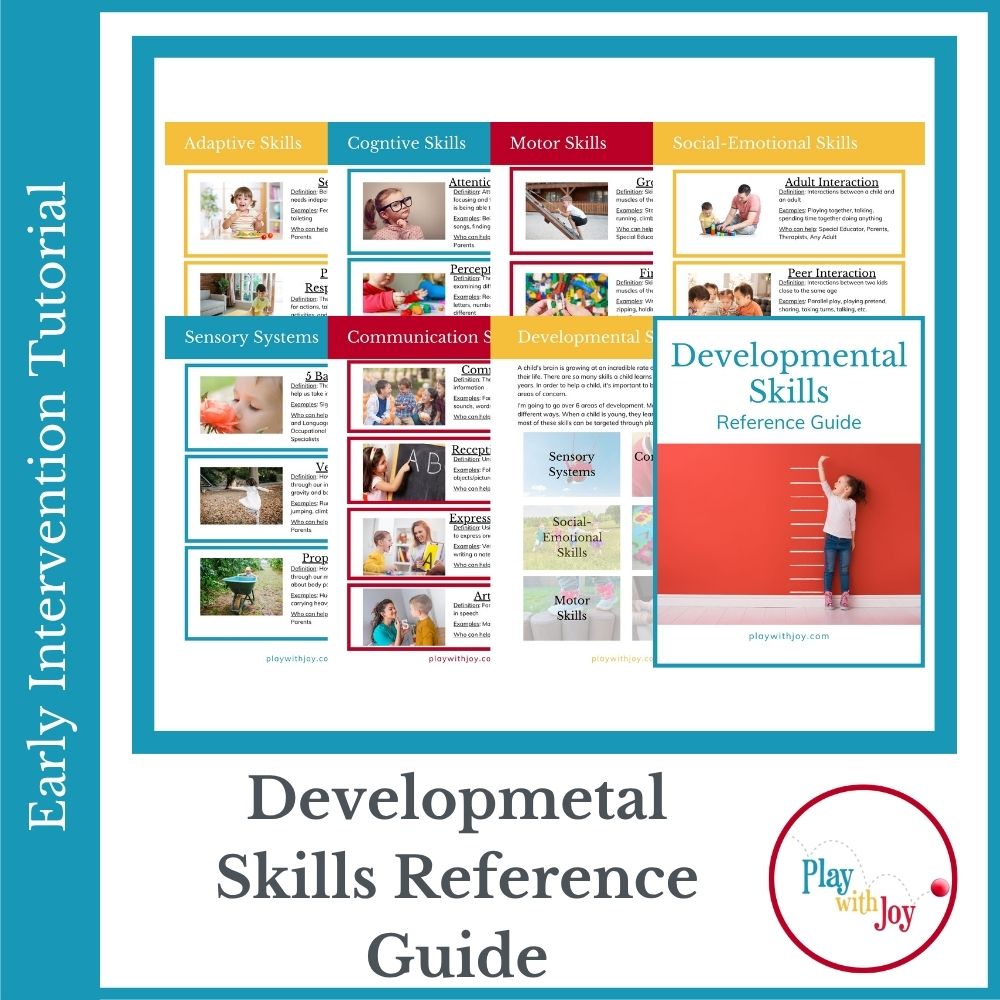
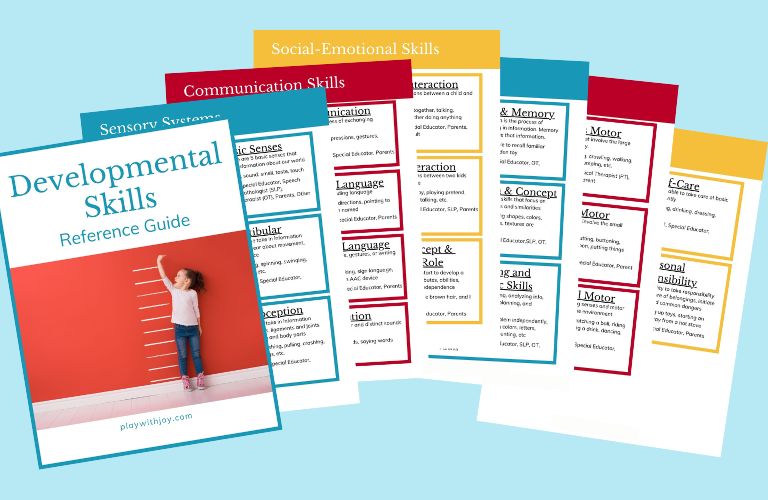
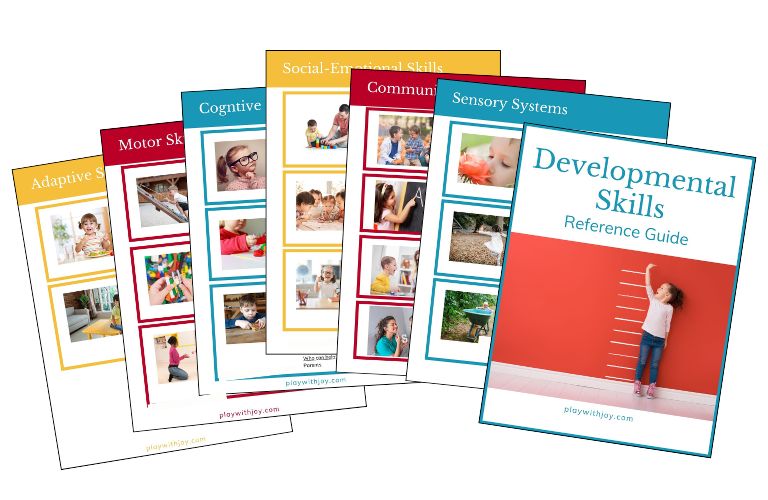
Get Your FREE Developmental Skills Reference Guide Here
Just enter your name and email below and I’ll send you the Developmental Skills Reference Guide right away.
You’ll also get my occasional play tips and strategies delivered straight to your inbox (and you can unsubscribe anytime—no hard feelings!)
Follow Their Interests
Shared interests are one of the best pathways to connection.
Whether a child loves trains, animals, Minecraft, or maps, use those interests to build interaction, communication, and shared joy.
Children connect more easily when they feel valued for who they are.
Teach Through Real-Life Experiences
Children learn social understanding best through:
play
modeling
shared experiences
and gentle guidance
Instead of correcting constantly, try narrating social situations:
“I noticed your friend smiled when you shared that.”
“That game felt frustrating. I wonder what everyone was feeling?”
This builds awareness without shame.
Supporting Healthy Social Development in Autistic Children
Teaching social skills is not about teaching autistic children to “act typical.” It’s about helping them feel confident, connected, understood, and supported in relationships.
The best social learning happens through connection—not compliance.
Activities That Help Build Social Skills
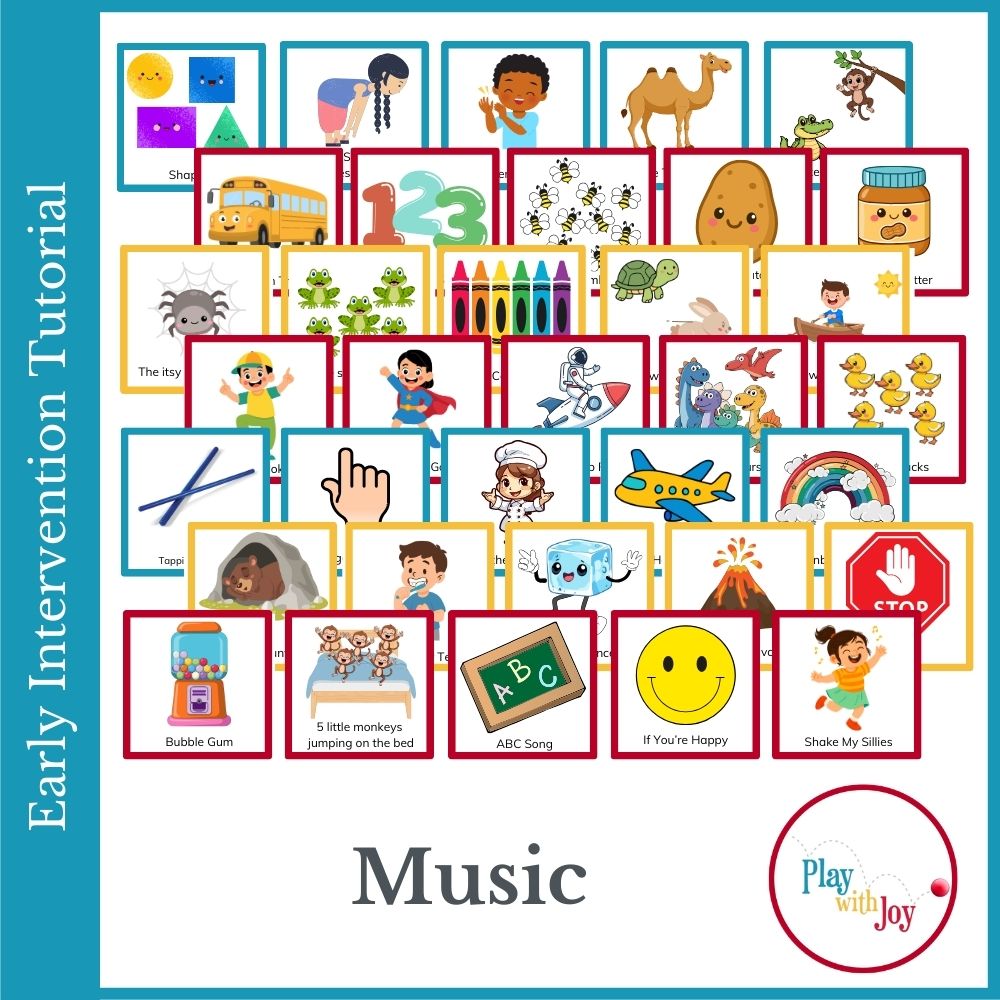
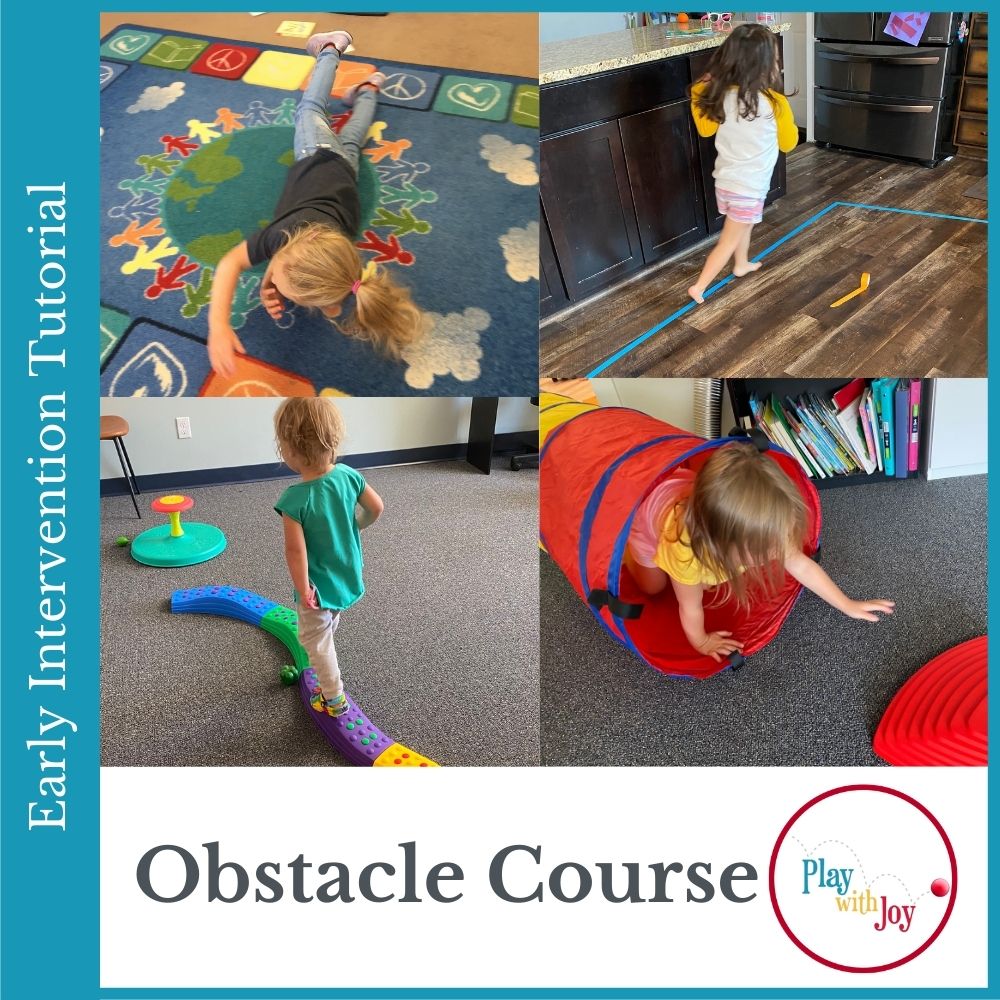
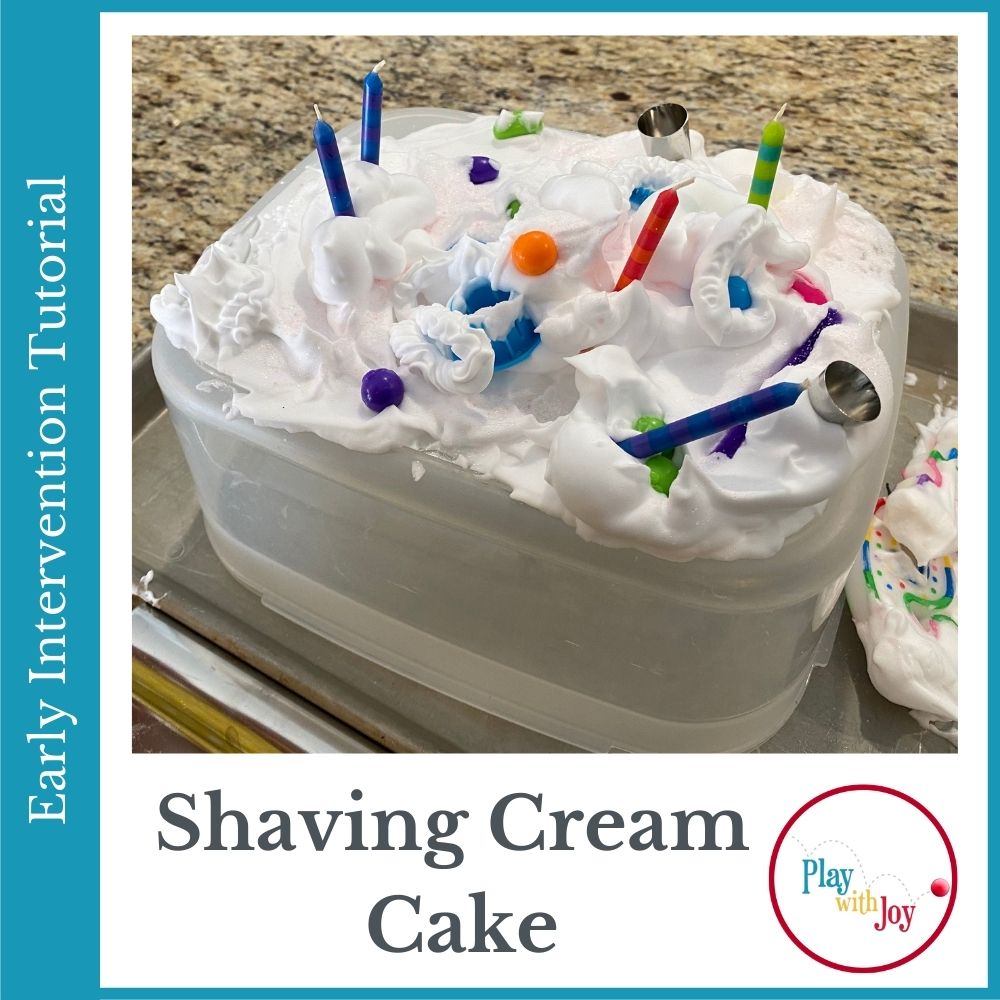
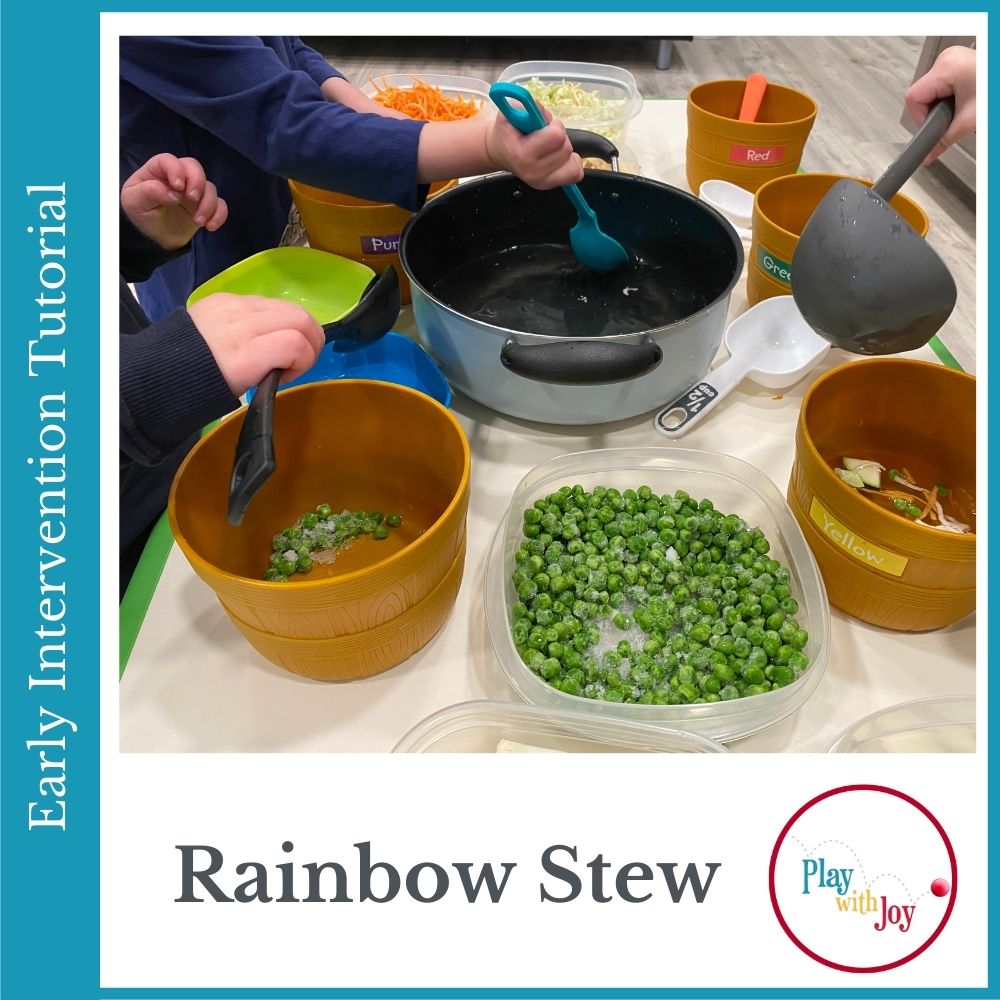
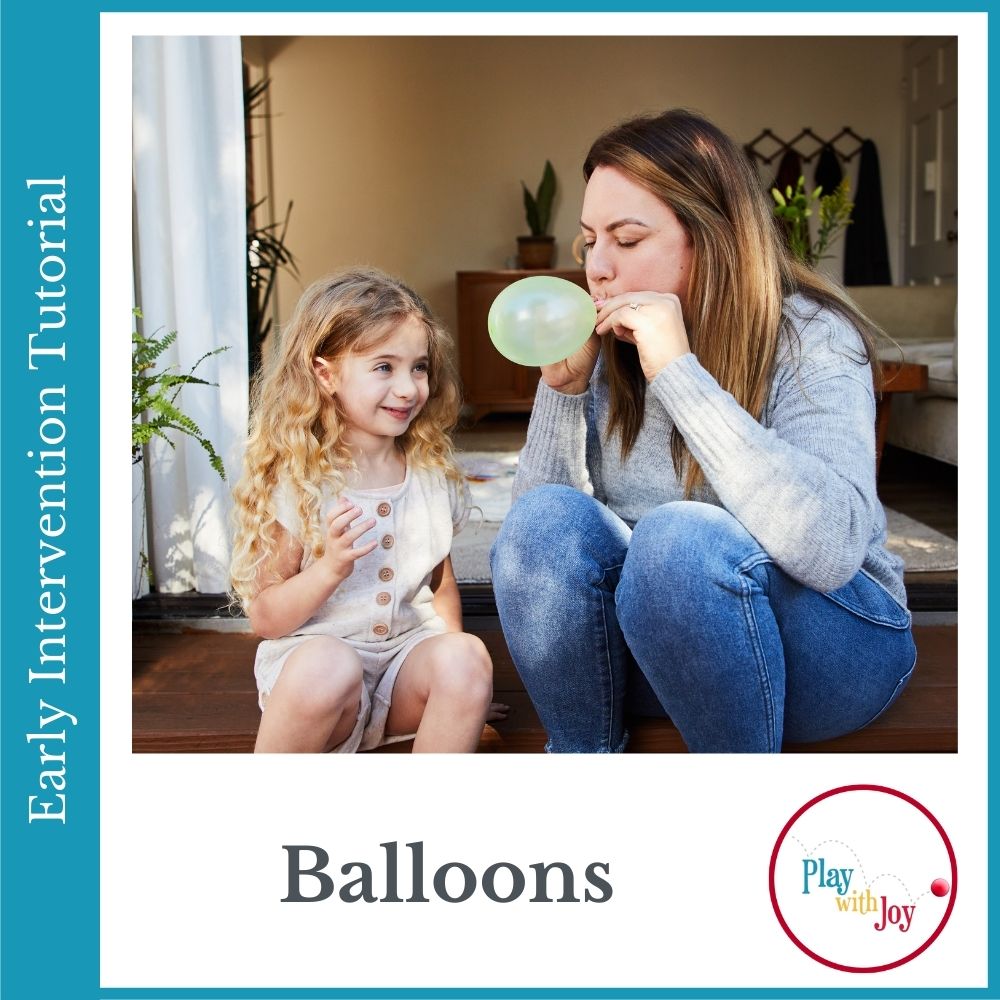
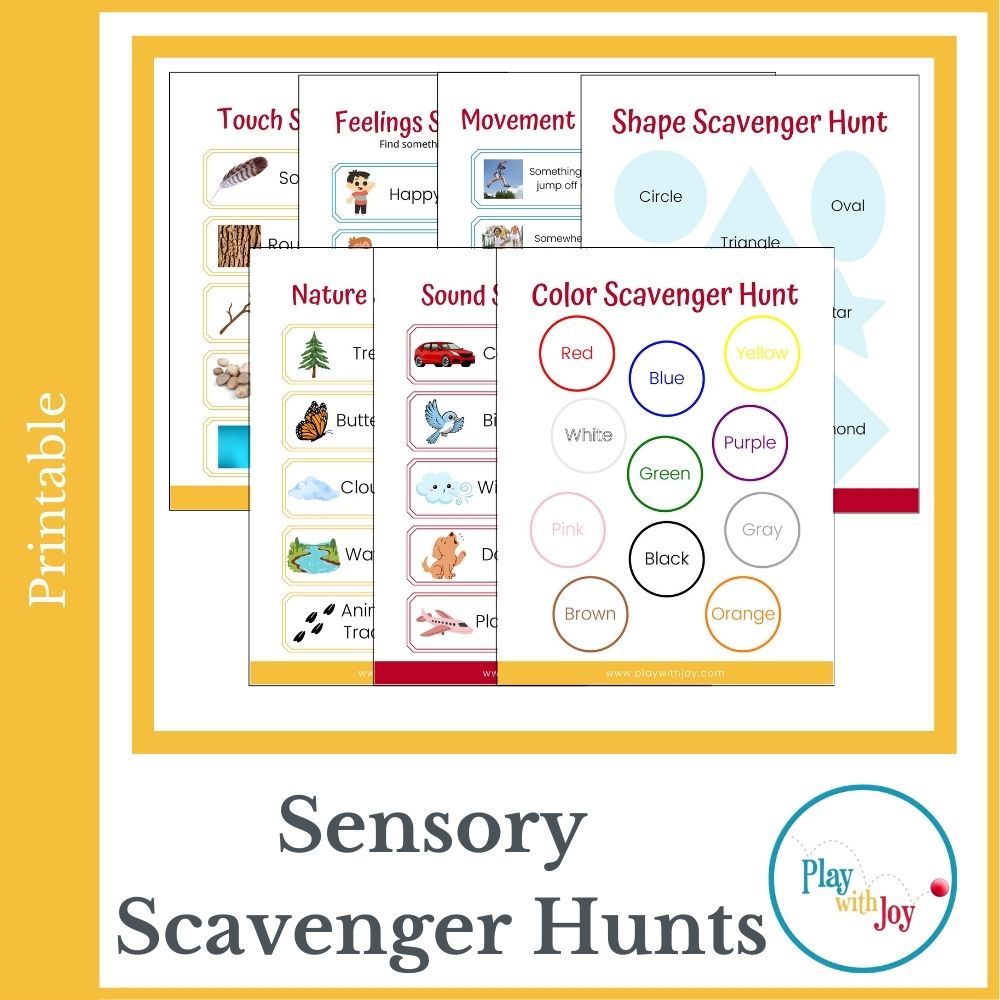
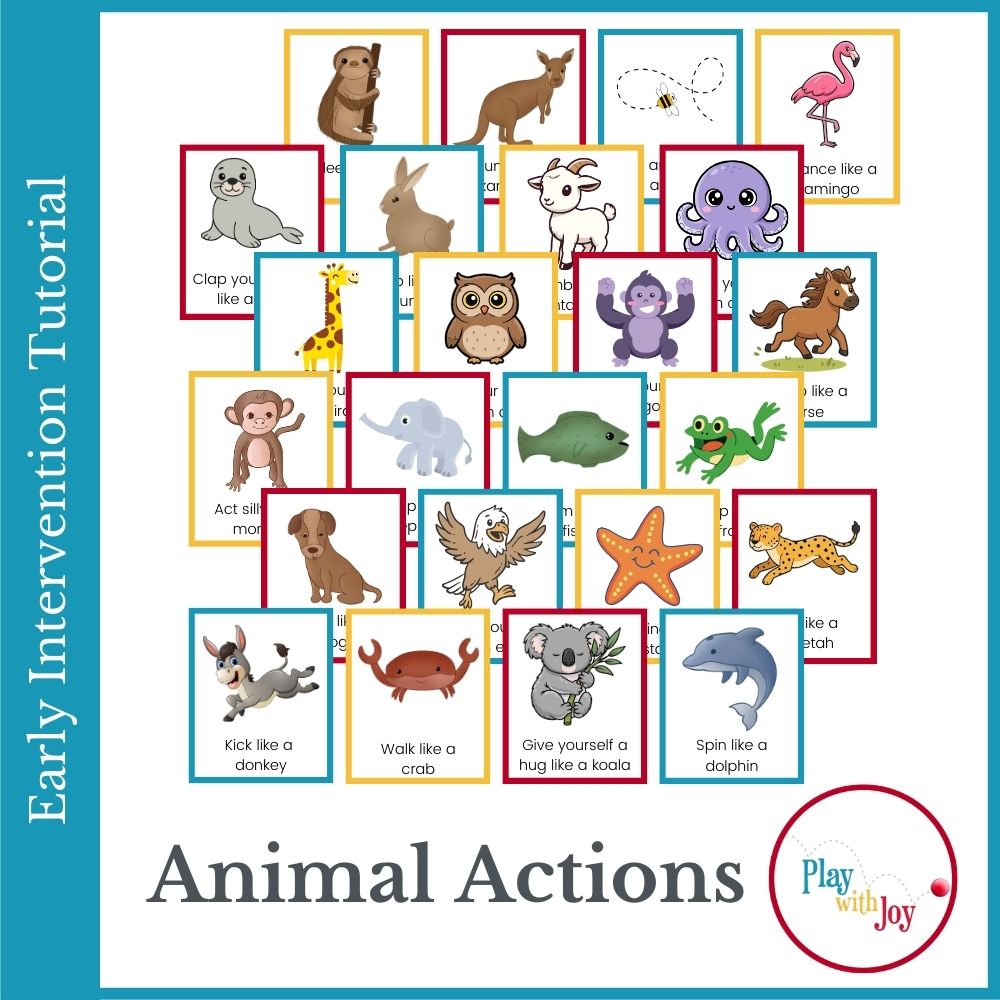
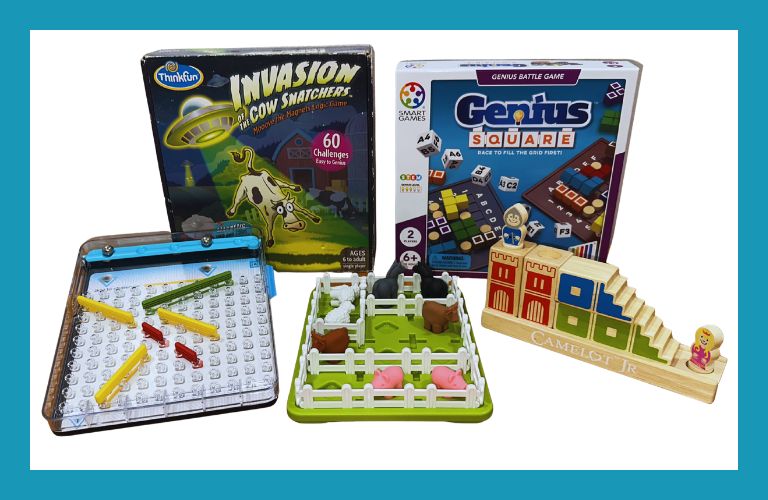
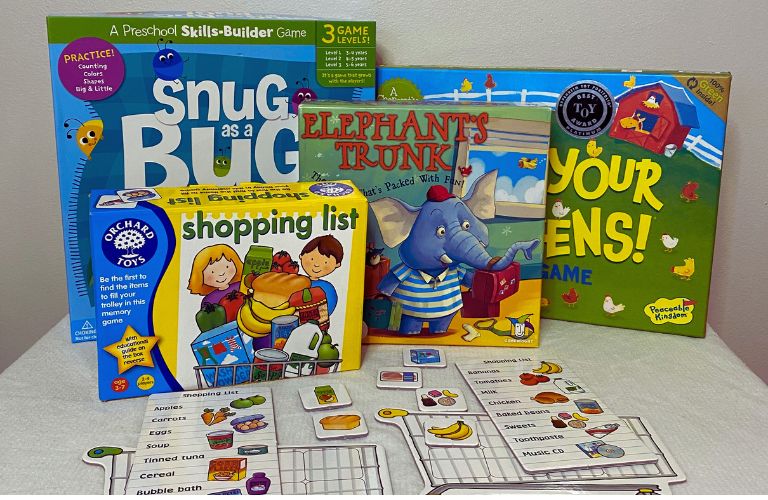
The following activities include practical strategies and guided adaptations to help you intentionally support social skill development through play and everyday interactions.
Get Your Free Developmental Skills Reference Guide
Parents, educators, and therapists – Add this to your toolbox to better understand key areas of child development. Plus get extra tips, activities and strategies to your inbox.
Unsubscribe at any time. See Privacy Policy for more details.