The more I learn about the brain, the more I realize how important it is for kids to learn about their brains. There is so much power in knowing how your brain works, and yet it’s not something taught in many schools. Many of us working with kids didn’t learn about the brain in school, including college, and yet it’s so important!
I have been working with kids for years and years, and I have been trained in a lot of behavior interventions, but I was never taught about the brain and how it relates to behavior. And now that I say that out loud, it just seems crazy. And I can guarantee I’m not the only one. I started studying about the brain on my own, and things just make so much more sense. It’s all so fascinating, and I love learning about the brain!
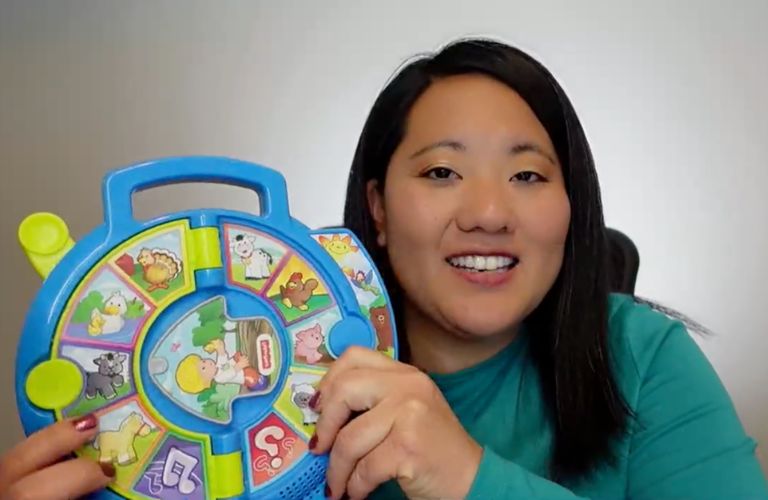
I decided I needed to start teaching the kids I work with about their brains, and it’s been so much fun. I generally use this for kids in elementary school or older. I created a Brain Builder Guide & DIY Brain Kit to help the kids I work with, and decided other parents, educators, and therapists could also benefit from it. This is the first lesson in the guide.
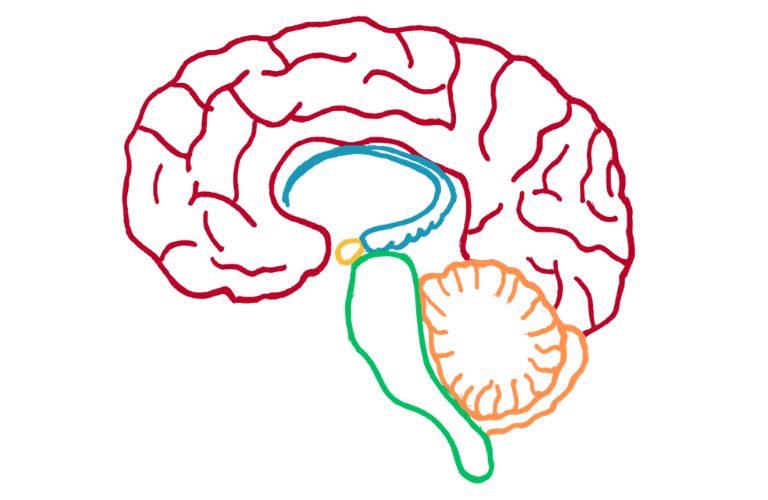
The brain has so many parts, it would obviously be too overwhelming to teach all the parts with kids, so I start with 5 main parts of the brain. We talk about the cerebrum, hippocampus, cerebellum, brain stem, and amygdala. I introduce it one week, and then we review it regularly after that. I love when we’re doing an activity and a kid tells me something like “I just used my hippocampus!”
Once the kids understand those 5 main parts of the brain, we start to discuss activities or games they can do to activate each part of the brain. Obviously, in most cases we can’t isolate just one area of the brain to activate, but this is more about the kids learning that they have the ability to strengthen their brain.
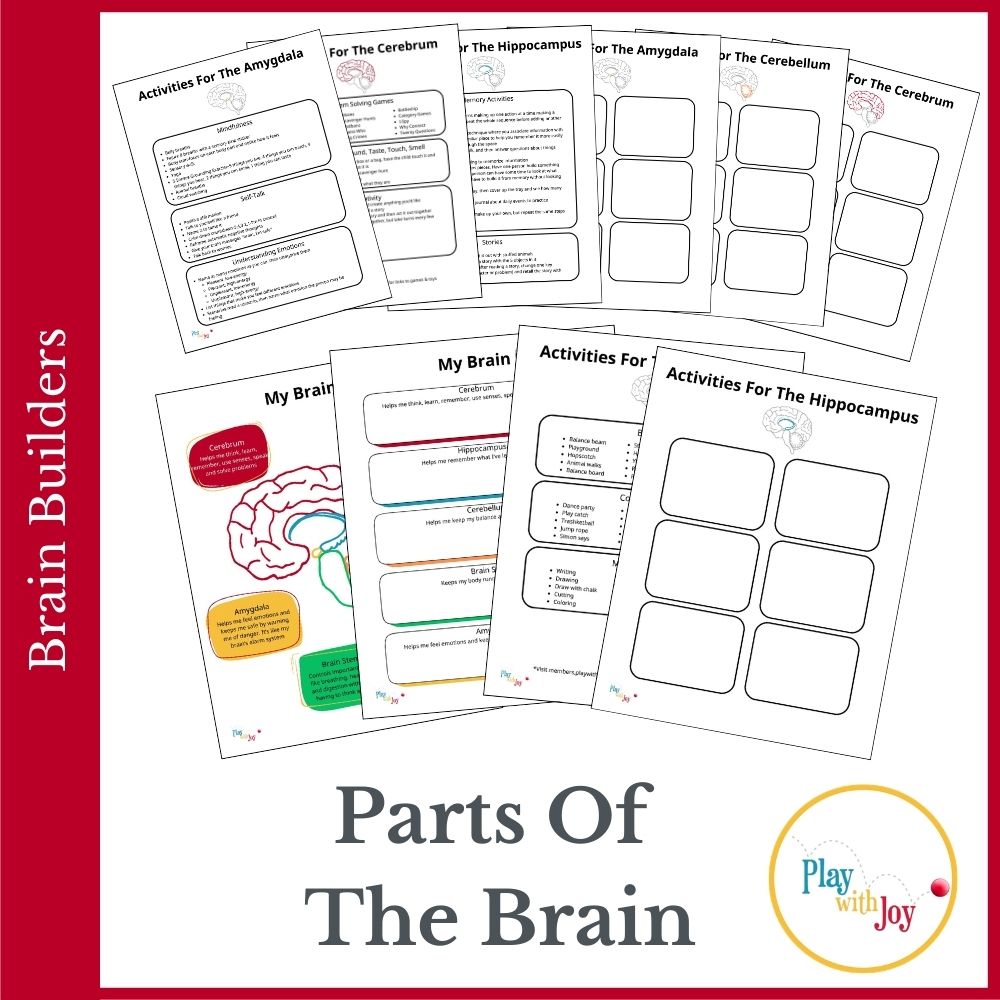
In the Parts of The Brain Tutorial, you’ll receive worksheets to help you teach this lesson, and I also include links to games and toys that I use in my sessions to help kids work on strengthening their brains.
Introduce 5 parts of the brain. There are obviously way more than 5 parts of the brain, but this is a good starting point for kids. If you want to introduce different parts of the brain than what are listed, definitely do it! These lessons can be adapted.
I just use the basic definitions on the worksheets, it hasn’t been necessary for the kids I work with to go in more depth than that. This also makes it easier to remember.
After introducing the parts of the brain, have the child fill out the worksheet by listing things that they do that activate the different parts of their brain.
Smaller worksheets are provided that will fit better inside a Brain Kit if you decide to make one.
Review the 5 parts of the brain throughout future Brain Lessons.
Activities for the cerebrum, hippocampus, cerebellum & amygdala
Lists of activity ideas are provided for you. These lists are primarily for the adults facilitating the activities.
Blank pages are also provided, these can be used as Activity Menus for kids to choose from. Fill them with games or activities that are available for them. I create my own Activity Menus for our sessions depending on what I bring to the session.
Usually after a few brain lessons, I will help the child create their own Activity Menus.
There are also small Activity Menus that can be laminated and placed in their Brain Kit after they have made one.
Cerebrum
What does the cerebrum do?
The cerebrum helps us think, learn, remember, use senses, speak, and solve problems
Problem Solving
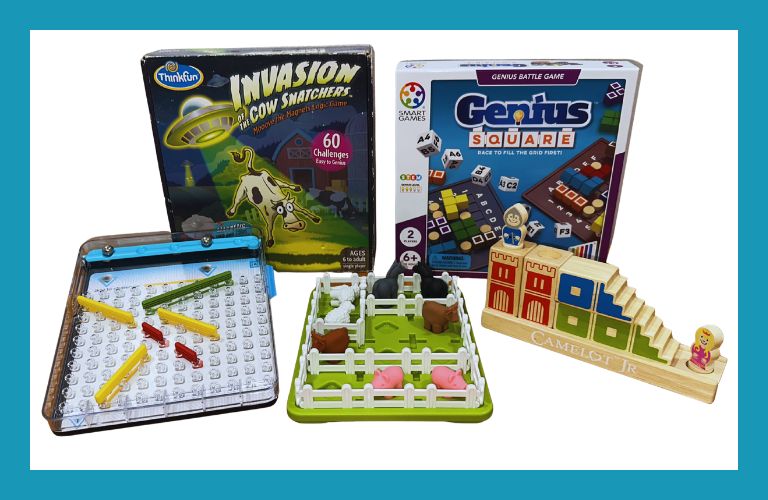
Activity ideas to help activate the cerebrum include any type of problem solving game. These are some of my favorites. These are also found on the pdf.
Rush Hour
Marble Runs
Puzzles
Smart Farmer
Mastermind
Mazes
Scavenger Hunts
Hedbanz
Guess Who
Dog Crimes
Battleship
Category Games
I-Spy
Why Connect
Twenty Questions
The Senses
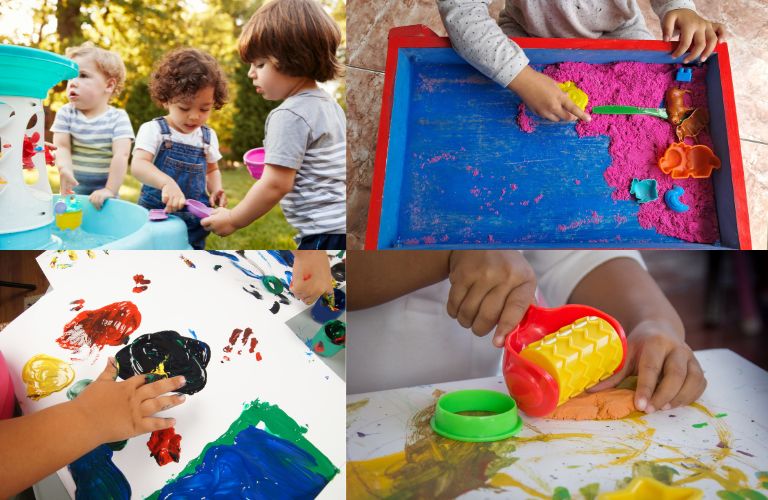
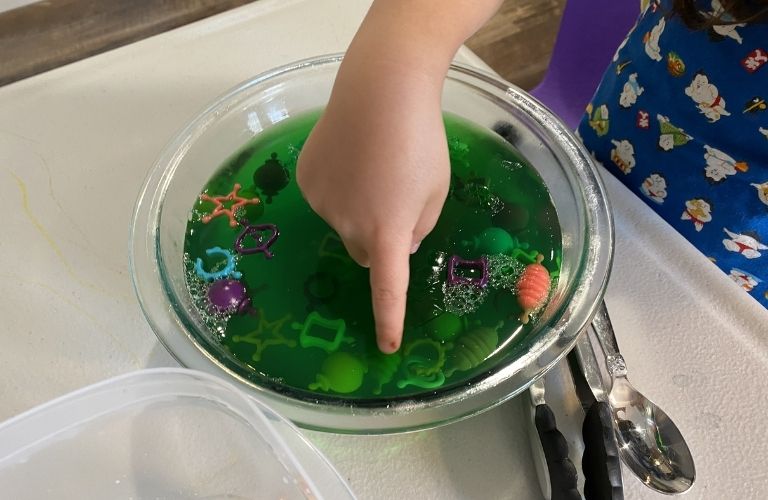
These are activities that can help activate the 5 senses, including sight, sound, taste, touch, and smell.
Mystery Box-Put an object in a box or a bag, have the child touch it and describe it before guessing what it is
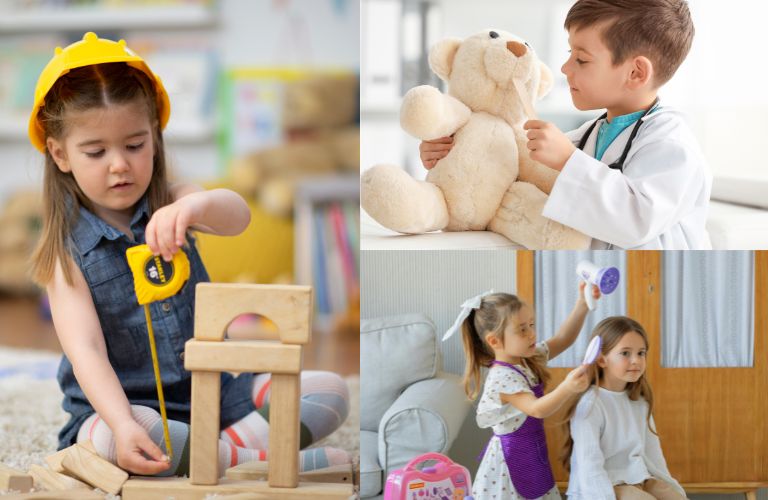
Being creative is important in building the prefrontal cortex. Facilitate opportunities for kids to be creative. Oftentimes kids don’t have enough time to be creative because we tend to think they need to be “doing something productive.” These ideas are more structured, but also providing unstructured time for the child to be truly creative is so important too.
Make a box of random objects, and create anything you’d like
Draw a story-draw pictures that tell a story
Make up a story-create your own story and then act it out together
Tag team story telling-tell a story together, but take turns every few sentences
Build with legos
Make a collage
Nature art
DIY Puppet Show
Create your own game
Links to Games & Toys
As a Walmart Affiliate, I may earn from qualified purchases at no extra cost to you.
Click Here for game and toy ideas to help activate the cerebrum (thinking, learning, memory, using senses, speaking, solving problems)
Hippocampus
What does the hippocampus do?
Our hippocampus helps us remember what we’ve learned or done
Memory
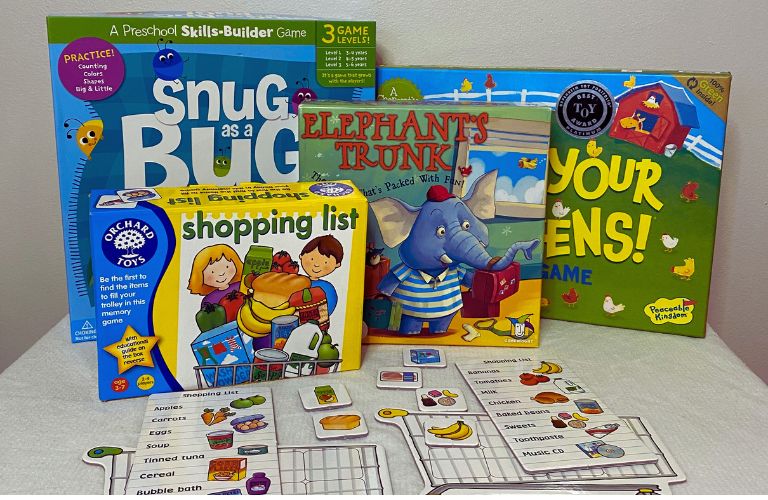
Our hippocampus is about being able to remember things. These are some activities that work on memory.
Play Memory
Memory Actions-take turns making up one action at a time making a sequence of actions, Repeat the whole sequence before adding another action
Memory Palace-this is a technique where you associate information with specific locations in a familiar place to help you remember it more easily by mentally walking through the space
Memory walk-go on a walk, and then answer questions about things you saw on your walk
Move your body while trying to memorize information
Have a set of identical legos pieces. Have one person build something with the legos. The other person can have some time to look at what they built, and then they have to build it from memory without looking at it again.
Look several items on a tray, then cover up the tray and see how many items you can remember.
Memory journal-write in a journal about daily events to practice memory retrieval
Learn a specific dance, or make up your own, but repeat the same steps each time
Play category games
Stories
Create your own story
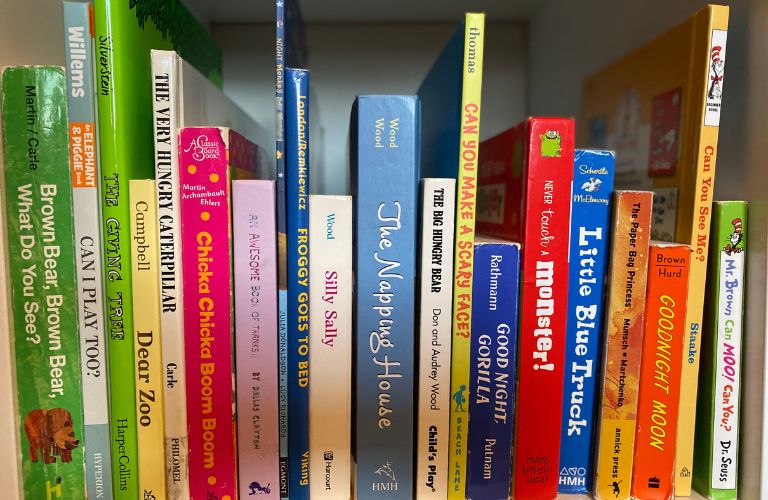
Retell a familiar story, or act it out with stuffed animals
Choose 5 objects, then tell a story with the 5 objects in it
Story retelling with a twist-after reading a story, change one key element (e.g., setting, character or problem) and retell the story withthe twist
Links to Games & Toys
As a Walmart Affiliate, I may earn from qualified purchases at no extra cost to you.
Click Here for game and toy ideas to help activate the hippocampus (memory)
Cerebellum
What does the cerebellum do?
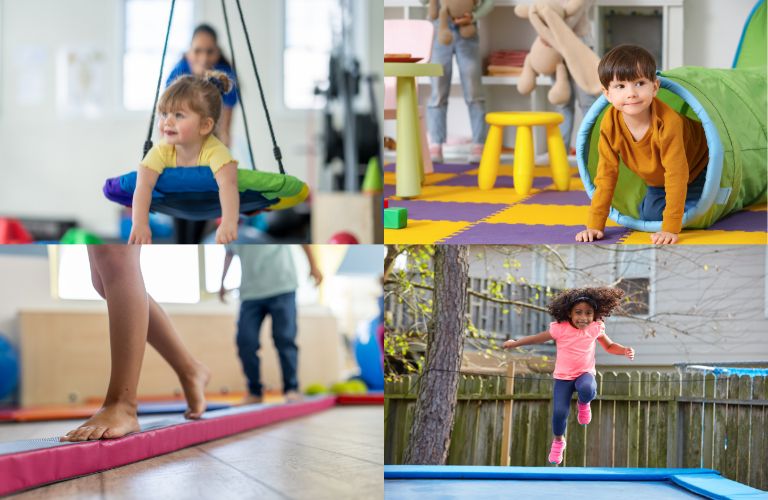
Our cerebellum helps us keep our balance and move smoothly
Balance
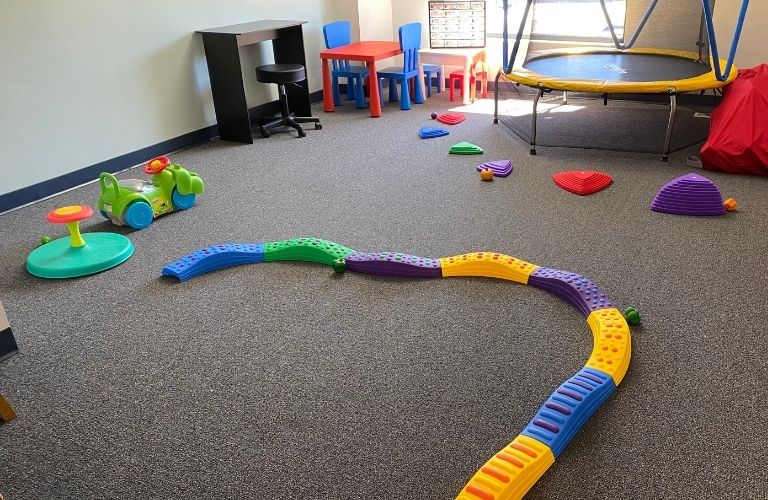
Balance beam
Playground
Hopscotch
Animal walks
Balance board
Balance
Stand on one foot
Hop on one foot
Yoga poses
Ride a bike
Ride a scooter
Trampoline
Skating
Lunges
Chalk Obstacle Course
Balance pods
Coordination
Dance party
Play catch
Trashketball
Jump rope
Simon says
Coordination
Obstacle course
Keepy uppy
Bean bag toss
Frisbee
Step and clap
Hula hoop
Build with blocks
Soccer
Cross crawls
Sock sliding
Motor Control
Writing
Drawing
Draw with chalk
Cutting
Coloring
Motor Control
Building blocks
Puzzles
Stringing beads
Play dough
Clapping Games
Jumping Jacks
Tapping sticks
Blowing bubbles
Skipping
Freeze Dance
Links to Games & Toys
As a Walmart Affiliate, I may earn from qualified purchases at no extra cost to you.
Click Here for game and toy ideas to help activate the cerebellum (balance & movement)
Amygdala
What does the amygdala do?
Our amygdala helps us feel emotions and keeps us safe by warning us of danger.
Mindfulness
Belly breaths
Figure 8 breaths with a sensory strip sticker
Body scan-focus on each body part and notice how it feels
Sensory walk
Yoga
5 Senses Grounding Exercise-5 things you see, 4 things you can touch, 3
things you hear, 2 things you can smell, 1 thing you can taste
Animal breaths
Cloud watching
Self-Talk
Positive affirmation
Talk to yourself like a friend
Name it to tame it
Calm down countdown-5,4,3,2,1-I’m in control
Reframe automatic negative thoughts
Give your brain messages “brain, I’m safe”
Talk back to worries
Emotions
Name as many emotions as you can, then categorize them
Pleasant, low-energy
Pleasant, high-energy
Unpleasant, low-energy
Unpleasant, high-energy
List things that make you feel different emotions
Scenarios-read a scenario, then name what emotion the person may be feeling
Links to Games & Toys
As a Walmart Affiliate, I may earn from qualified purchases at no extra cost to you.
Click Here for game and toy ideas to help activate the amygdala (emotions & safety)
The cerebrum helps us think, learn, remember, use senses, speak, and solve problems
Problem Solving
Activity ideas to help activate the cerebrum include any type of problem solving game. These are some of my favorites. These are also found on the pdf.
Rush Hour
Marble Runs
Puzzles
Smart Farmer
Mastermind
Mazes
Scavenger Hunts
Hedbanz
Guess Who
Dog Crimes
Battleship
Category Games
I-Spy
Why Connect
Twenty Questions
The Senses
These are activities that can help activate the 5 senses, including sight, sound, taste, touch, and smell.
Mystery Box-Put an object in a box or a bag, have the child touch it and describe it before guessing what it is
Being creative is important in building the prefrontal cortex. Facilitate opportunities for kids to be creative. Oftentimes kids don’t have enough time to be creative because we tend to think they need to be “doing something productive.” These ideas are more structured, but also providing unstructured time for the child to be truly creative is so important too.
Make a box of random objects, and create anything you’d like
Draw a story-draw pictures that tell a story
Make up a story-create your own story and then act it out together
Tag team story telling-tell a story together, but take turns every few sentences
Build with legos
Make a collage
Nature art
DIY Puppet Show
Create your own game
Links to Games & Toys
As a Walmart Affiliate, I may earn from qualified purchases at no extra cost to you.
Click Here for game and toy ideas to help activate the cerebrum (thinking, learning, memory, using senses, speaking, solving problems)
Hippocampus
What does the hippocampus do?
Our hippocampus helps us remember what we’ve learned or done
Memory
Our hippocampus is about being able to remember things. These are some activities that work on memory.
Play Memory
Memory Actions-take turns making up one action at a time making a sequence of actions, Repeat the whole sequence before adding another action
Memory Palace-this is a technique where you associate information with specific locations in a familiar place to help you remember it more easily by mentally walking through the space
Memory walk-go on a walk, and then answer questions about things you saw on your walk
Move your body while trying to memorize information
Have a set of identical legos pieces. Have one person build something with the legos. The other person can have some time to look at what they built, and then they have to build it from memory without looking at it again.
Look several items on a tray, then cover up the tray and see how many items you can remember.
Memory journal-write in a journal about daily events to practice memory retrieval
Learn a specific dance, or make up your own, but repeat the same steps each time
Play category games
Stories
Create your own story
Retell a familiar story, or act it out with stuffed animals
Choose 5 objects, then tell a story with the 5 objects in it
Story retelling with a twist-after reading a story, change one key element (e.g., setting, character or problem) and retell the story withthe twist
Links to Games & Toys
As a Walmart Affiliate, I may earn from qualified purchases at no extra cost to you.
Click Here for game and toy ideas to help activate the hippocampus (memory)
Cerebellum
What does the cerebellum do?
Our cerebellum helps us keep our balance and move smoothly
Balance
Balance beam
Playground
Hopscotch
Animal walks
Balance board
Balance
Stand on one foot
Hop on one foot
Yoga poses
Ride a bike
Ride a scooter
Trampoline
Skating
Lunges
Chalk Obstacle Course
Balance pods
Coordination
Dance party
Play catch
Trashketball
Jump rope
Simon says
Coordination
Obstacle course
Keepy uppy
Bean bag toss
Frisbee
Step and clap
Hula hoop
Build with blocks
Soccer
Cross crawls
Sock sliding
Motor Control
Writing
Drawing
Draw with chalk
Cutting
Coloring
Motor Control
Building blocks
Puzzles
Stringing beads
Play dough
Clapping Games
Jumping Jacks
Tapping sticks
Blowing bubbles
Skipping
Freeze Dance
Links to Games & Toys
As a Walmart Affiliate, I may earn from qualified purchases at no extra cost to you.
Click Here for game and toy ideas to help activate the cerebellum (balance & movement)
Amygdala
What does the amygdala do?
Our amygdala helps us feel emotions and keeps us safe by warning us of danger.
Mindfulness
Belly breaths
Figure 8 breaths with a sensory strip sticker
Body scan-focus on each body part and notice how it feels
Sensory walk
Yoga
5 Senses Grounding Exercise-5 things you see, 4 things you can touch, 3
things you hear, 2 things you can smell, 1 thing you can taste
Animal breaths
Cloud watching
Self-Talk
Positive affirmation
Talk to yourself like a friend
Name it to tame it
Calm down countdown-5,4,3,2,1-I’m in control
Reframe automatic negative thoughts
Give your brain messages “brain, I’m safe”
Talk back to worries
Emotions
Name as many emotions as you can, then categorize them
Pleasant, low-energy
Pleasant, high-energy
Unpleasant, low-energy
Unpleasant, high-energy
List things that make you feel different emotions
Scenarios-read a scenario, then name what emotion the person may be feeling
Links to Games & Toys
As a Walmart Affiliate, I may earn from qualified purchases at no extra cost to you.
Click Here for game and toy ideas to help activate the amygdala (emotions & safety)
Get Your Free Developmental Skills Reference Guide
Parents, educators, and therapists – Add this to your toolbox to better understand key areas of child development. Plus get extra tips, activities and strategies to your inbox.
Unsubscribe at any time. See Privacy Policy for more details.