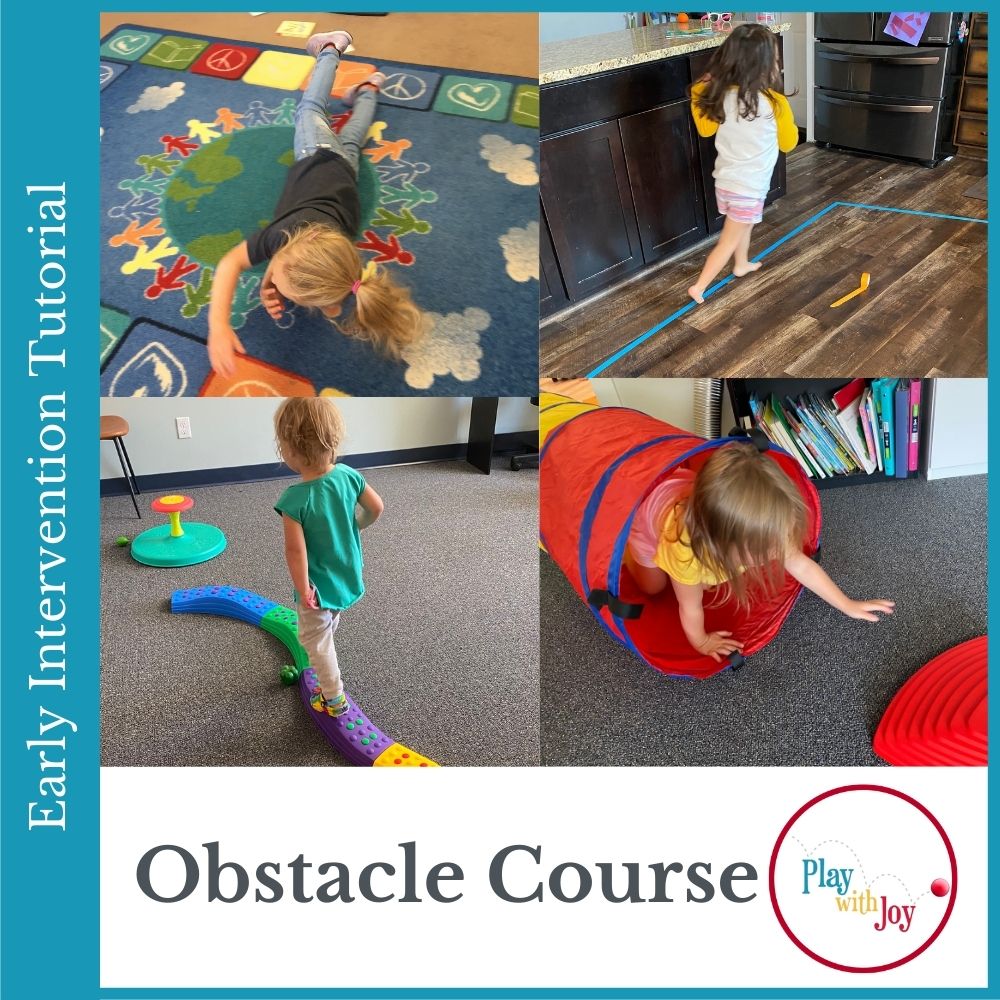
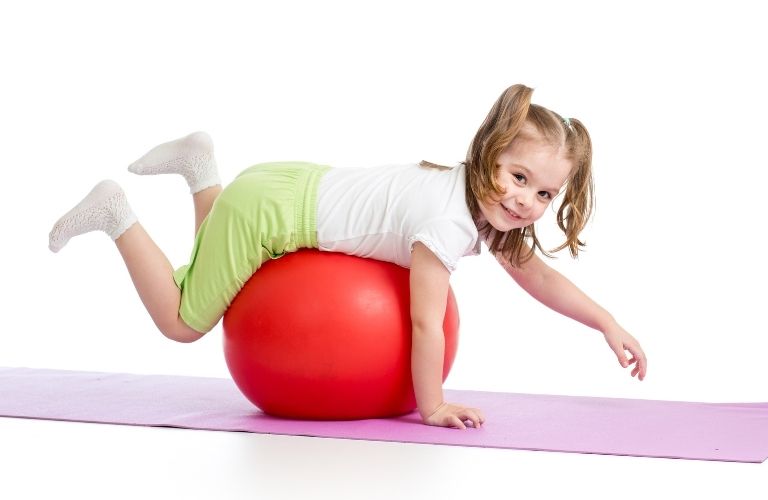
First off, what is a gross motor skill? Gross motor skills are activities that involve the large muscles of the body.
In child development, it’s so important to be exposed to activities that help develop all the muscles in their bodies. As adults we try implementing exercise regimens, but even as adults we have a really hard time with that.
So as always, we want to find fun and interactive ways to help kids succeed whether it’s academically or whether it’s in developing gross motor skills.
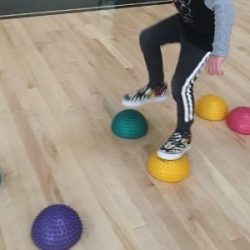
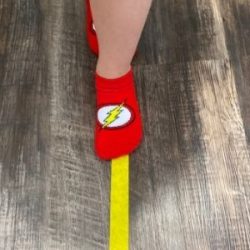
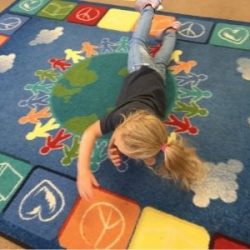
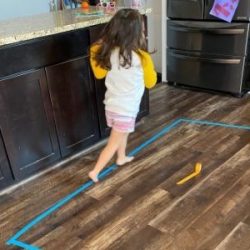
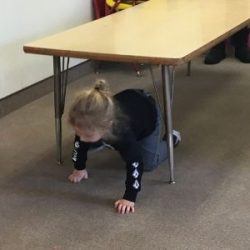
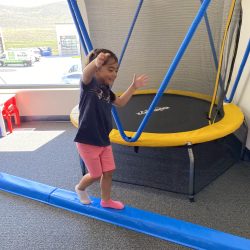
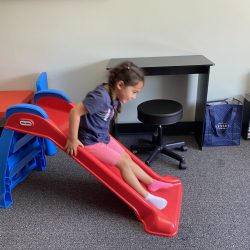
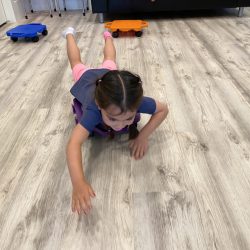
One of my favorite ways to implement gross motor skills is by creating an obstacle course. It really doesn’t matter how young or old someone is, kids of all ages love obstacle courses.

I literally make an obstacle course every week in my class.
One of the many things I love about obstacle courses are that they can be different every time. Kids can help create them too (which works on even more skills).
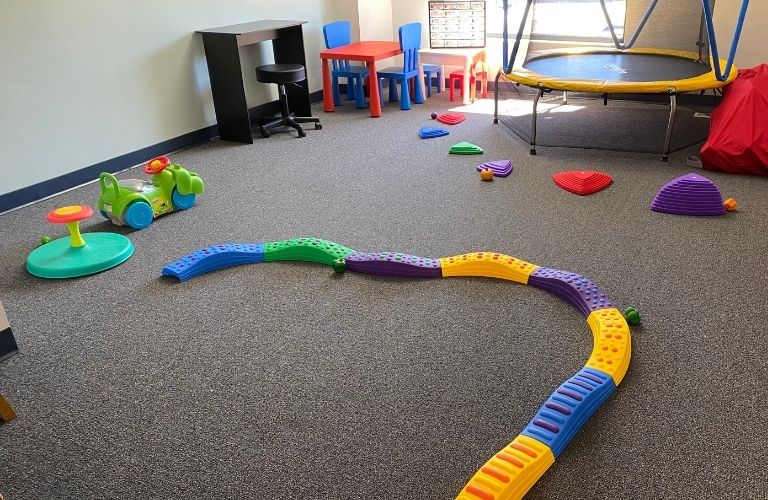
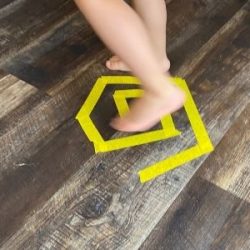
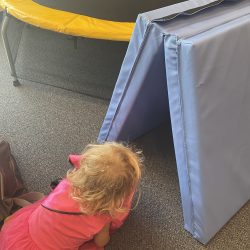
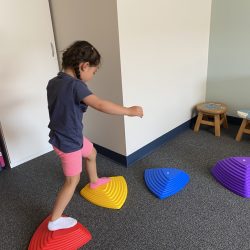
Another thing I love is that you can just use things around the house. I am fortunate enough to work at a clinic designed by an Occupational Therapist, so our equipment is pretty awesome, but it’s so easy to just use pillows, blankets, tape, chalk, or anything else at home to make an obstacle course.
What you want to think about when you’re making a course is what is your purpose? Here are some ideas of why you might want to do an obstacle course.
- Just for fun
- Gross motor skills
- Problem solving
- Language skills
- Engagement
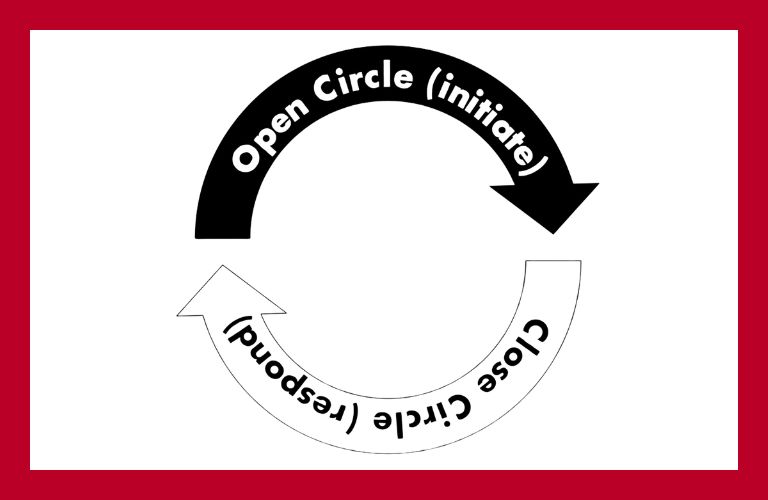
- Circles of Communication
- Perceptual motor skills
- Executive functions
- Planning
- Attention
- Organization
- Response inhibition
- Math skills
Whether you’re working on gross motor skills, or if there’s a different developmental skill you want to target, this activity is great for so many reasons!
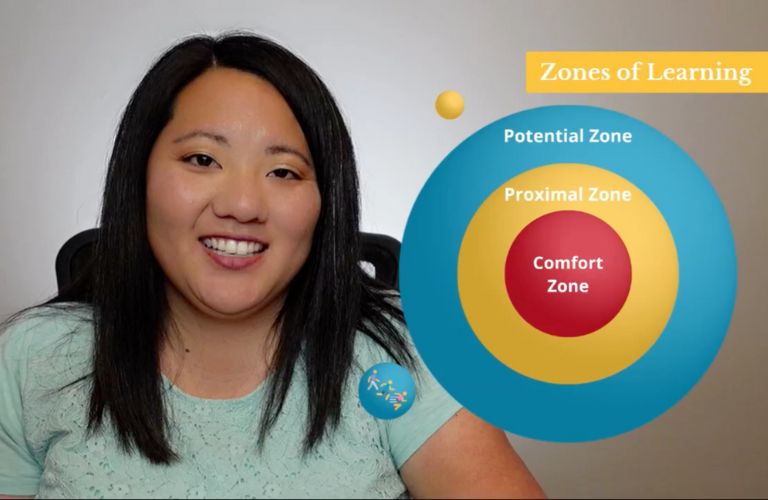
It’s adaptable, so be flexible depending on who you’re working with, and what stage of play the child is at.


Obstacle Course Tutorial
Once you purchase the Obstacle Course Tutorial and log in, you will have full access to all the content below this section.
Functional Developmental Levels (FDLs): 5-6
This activity is great for kids at an FDL of: 5-6
The Functional Developmental Levels (FDL) are based on The PLAY Project and DIR/Floortime
- FDL 1: Self Regulation & Shared Attention
- FDL 2: Engagement & Relating
- FDL 3: Intentionality & Two-Way Communication
- FDL 4: Social Problem-Solving & Mood Regulation
- FDL 5: Creating Symbols & Using Words & Ideas
- FDL 6: Emotional Thinking, Logic & Sense of Reality
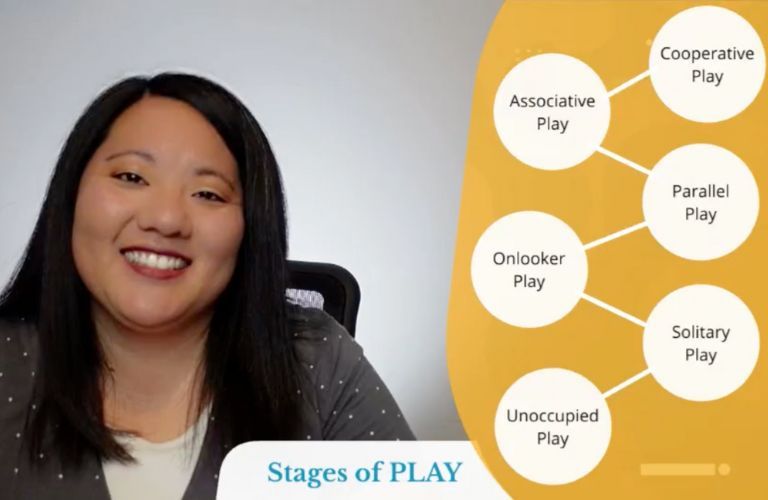
Stages of Play: 4-6
This activity is great for kids primarily participating in stages: 4-6
The Stages of Play come from Parten’s Stages of Social Play.
- Stage 1: Unoccupied Play
- Stage 2: Solitary Play
- Stage 3: Onlooker Play
- Stage 4: Parallel Play
- Stage 5: Associative Play
- Stage 6: Cooperative Play
Sensory Input: Vestibular, Proprioception
This activity includes: vestibular and proprioception
Our senses include more than the usual 5 senses. Some kids may seek certain types of sensory input and/or avoid other types.
- Visual: Sight
- Auditory: Sound
- Olfactory: Smell
- Oral: Taste (Gustatory) and using the mouth to speak, make sounds, eat, chew, drink, etc.
- Tactile: Touch
- Vestibular: How we process information about movement, gravity, and balance. We receive this information through the inner ear.
- Proprioceptive: How we process information about body position and body parts. We receive this information through our muscles, ligaments, and joints.
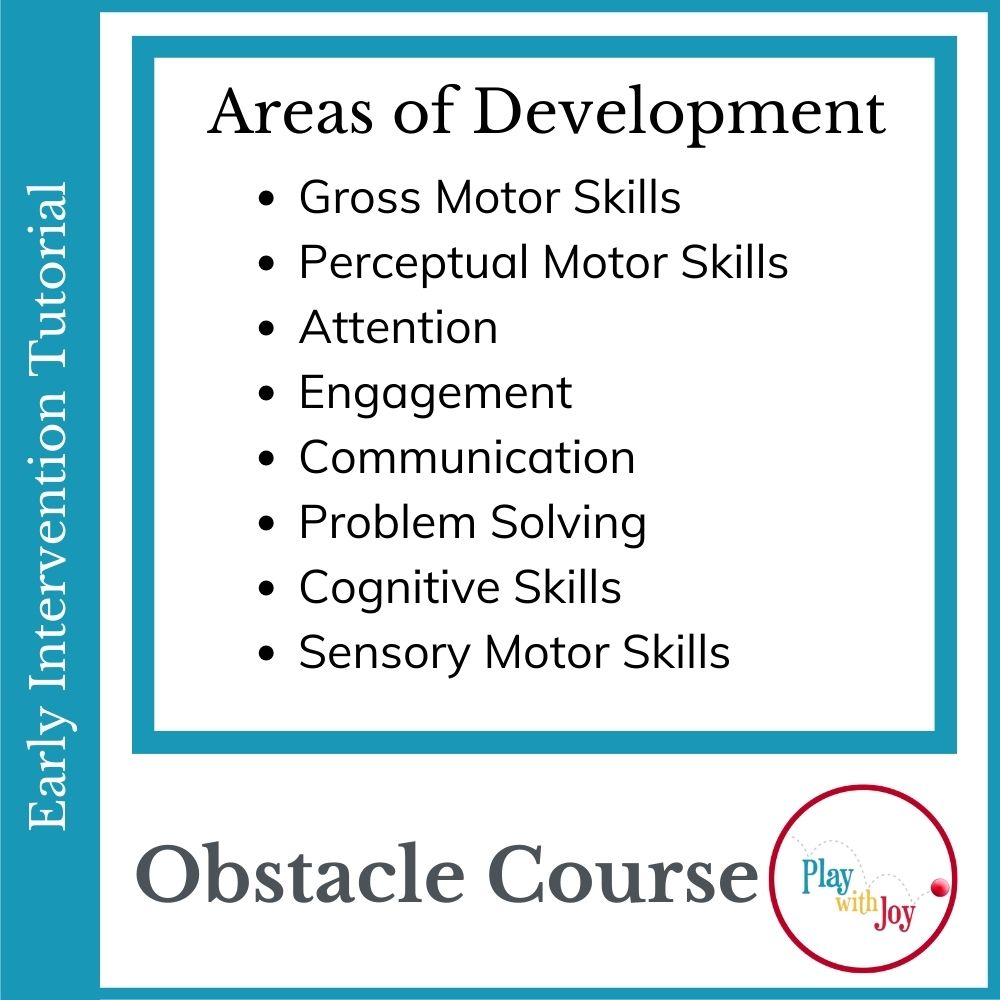
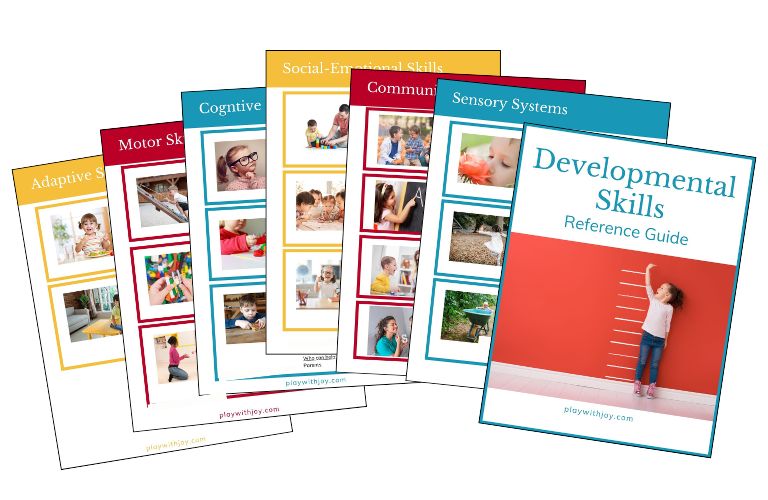
Areas of Development: Communication, Cognitive, Executive Functioning, Motor, Social
This activity is good for targeting the following developmental skills: communication, cognitive, executive functioning, motor, social
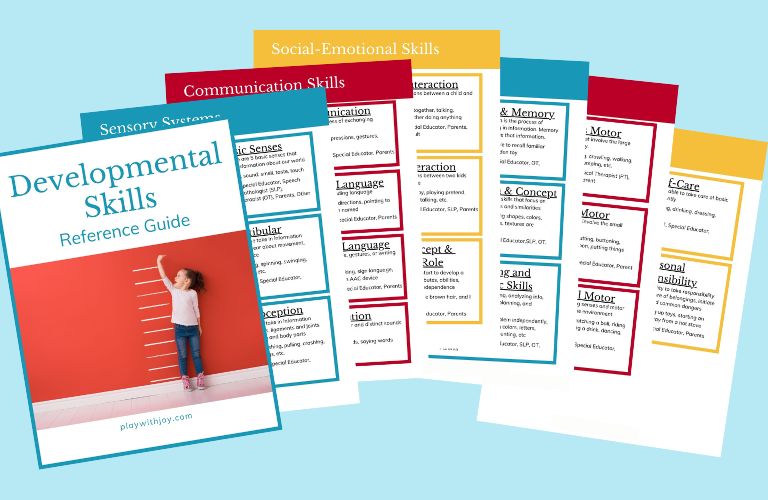
These are the main areas of child development addressed in the Early Intervention Tutorials
- Communication: receptive language, expressive language, listening, two-way communication
- Cognitive skills: cause & effect, literacy, math, science, problem solving, perception and concept
- Executive functioning: emotional control, flexibility, perseverance, self-monitoring, organization, planning, response inhibition, attention, task initiation, time management, working memory
- Motor skills: fine motor, gross motor, perceptual motor
- Social-emotional skills: peer interaction, self concept & social role, pretend play, behavior, group activities
- Adaptive skills: self-care, personal responsibility
Supplies
- Pillows
- Blankets
- Stepping Stones
- Hula Hoops
- Colored Tape
- Bubble Wrap
Instructions
- Have your child help gather supplies and help create the obstacle course. This will give some good heavy work, problem solving, and cooperation.
- Find ways to implement a variety of movement.
Links
As an Amazon affiliate, I earn from qualifying purchases at no cost to you.
Favorite Obstacle Course Toys
Extra Tips & Ideas
Extra Tips & Ideas
Video Tutorial
Adapting to Different Stages of Play
Stages 1-4
Stages 5-6
Developmental Skills
In this section, I will give you specific examples of what you can do in this activity to address specific areas of development.