What is a developmental delay? I like the definition that Yale Medicine gives, which is: When a child’s progression through predictable developmental phases slows, stops, or reverses.
Early Intervention is all about helping kids to progress through those developmental milestones. So, how do you do that?
It’s not always about finding a new activity, buying a better toy, or trying harder to teach a skill. Often, progress comes from something simpler: meeting the child at the right developmental level.
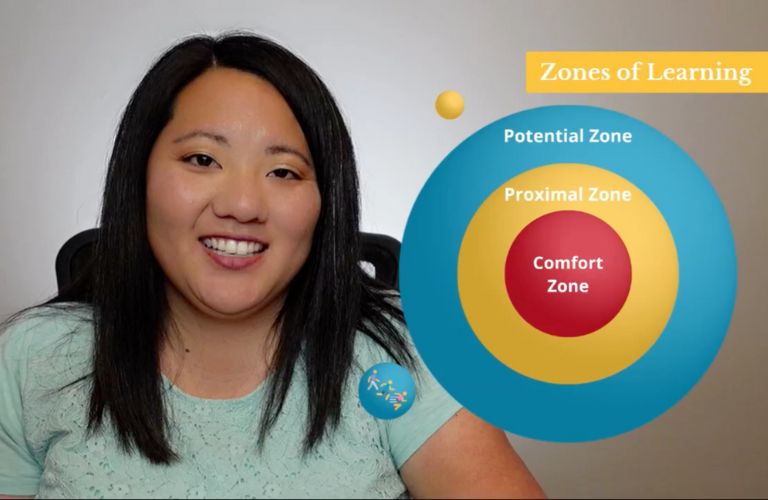
Lev Vygotsky taught that children learn best when they are working in what he called the Zone of Proximal Development—the space between:
what a child can do independently
and what they can do with support from another person
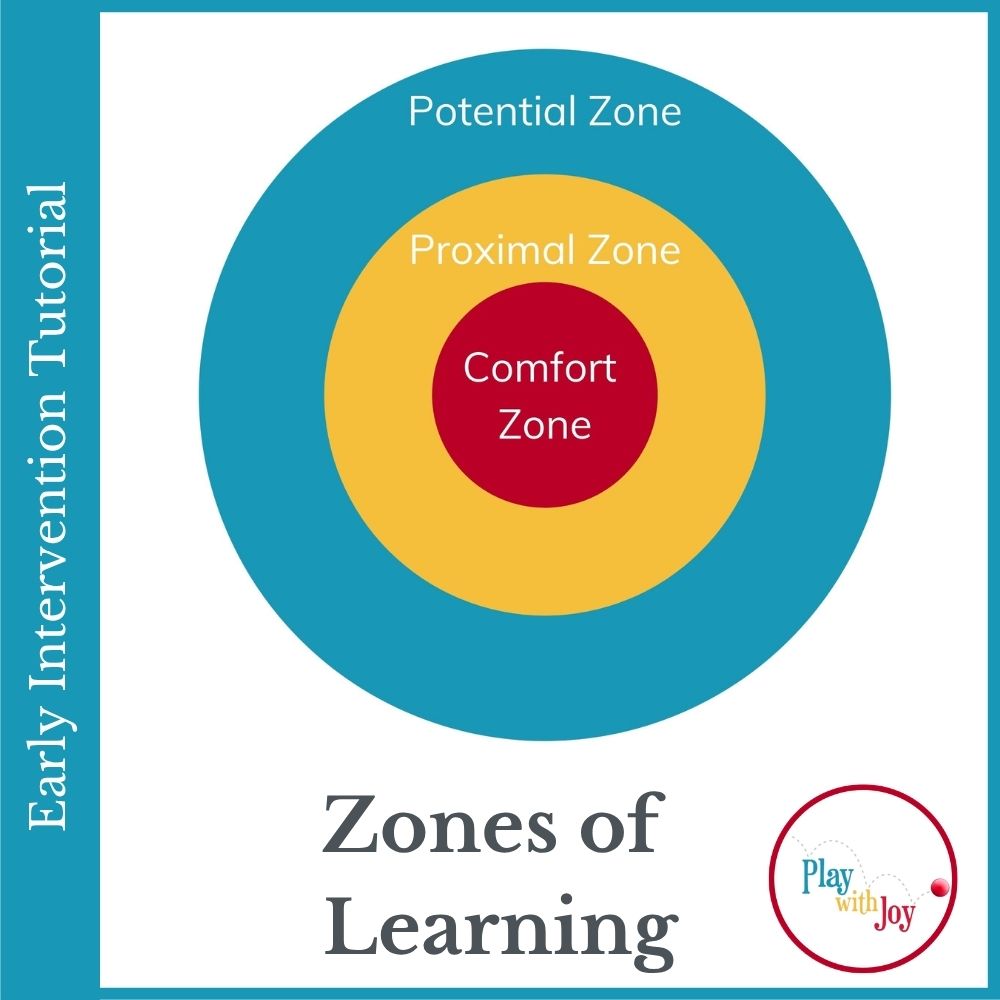
When I work with parents, we regularly review each of their child’s zones of learning—the comfort zone, proximal zone, and potential zone. This is important because it helps us decide what kind of plan to create to support the child’s growth. We also track changes over time: Are they progressing? Are their zones shifting? This helps guide our next steps and ensures the child is consistently challenged—but not overwhelmed.
In early intervention, playing in the right zone matters in every area of development:
communication
social interaction
motor skills
adaptive skills
cognitive development
If an activity is too easy, a child may stay in what is already familiar. If it is too difficult, engagement often drops because the skills needed are not there yet.
The goal is to spend most of our time in the proximal zone, this is where the most growth happen.
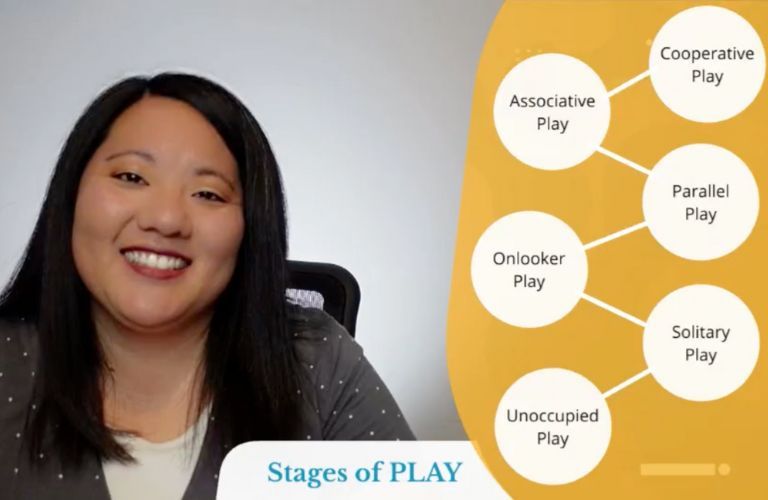
We can combine our knowledge of the zones of learning with the stages of play to help us know how best to support a child in their development.
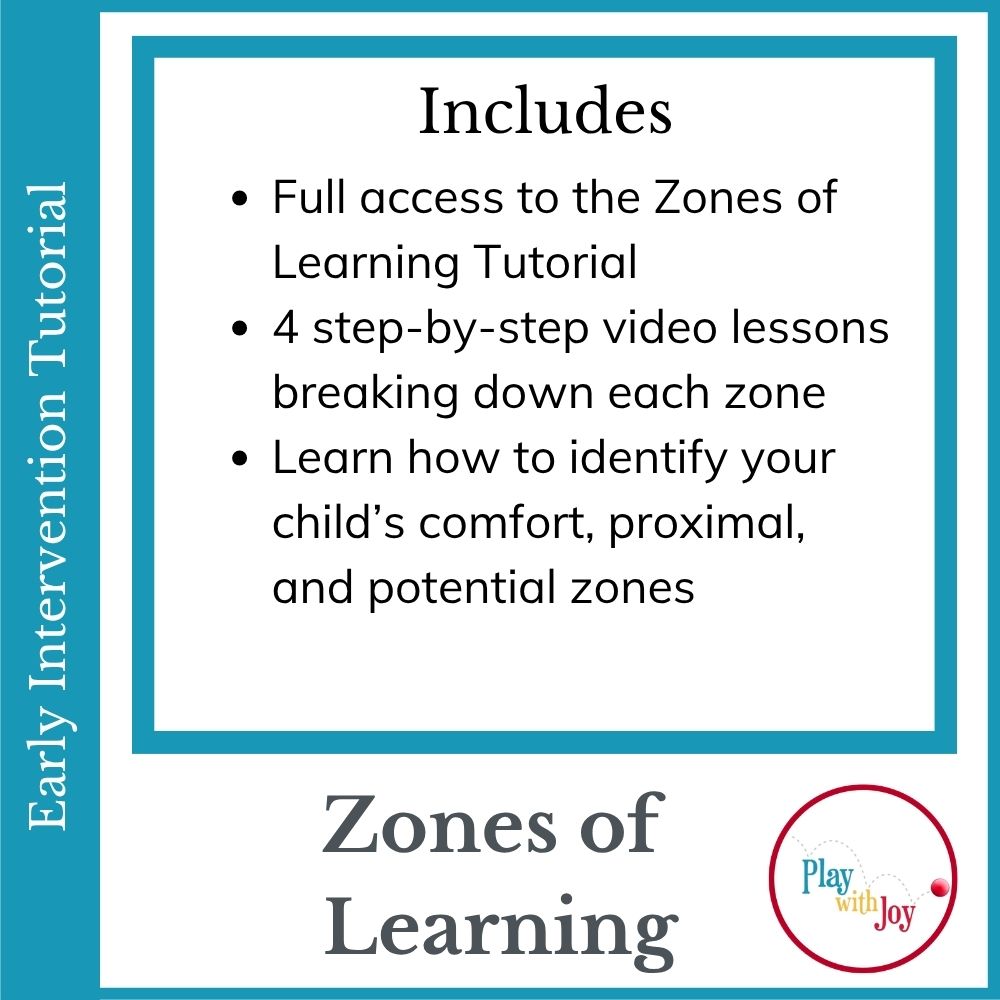
If you’re interested in learning how to find your child’s Zones of Learning, consider purchasing access to the Zones of Learning Tutorial below.
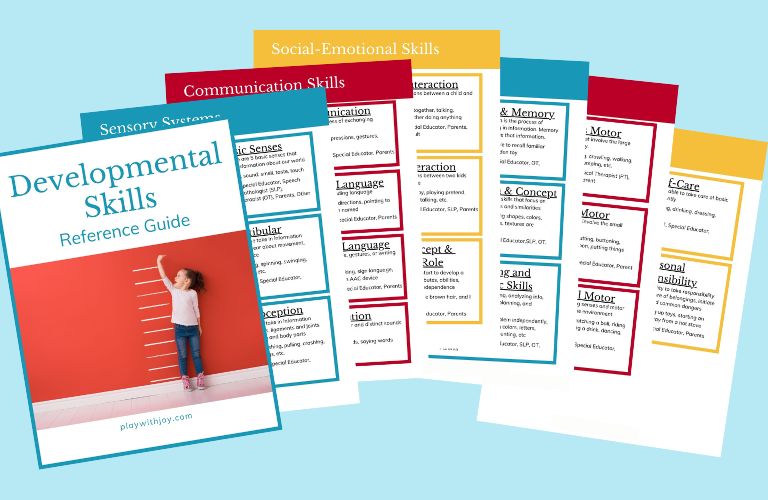
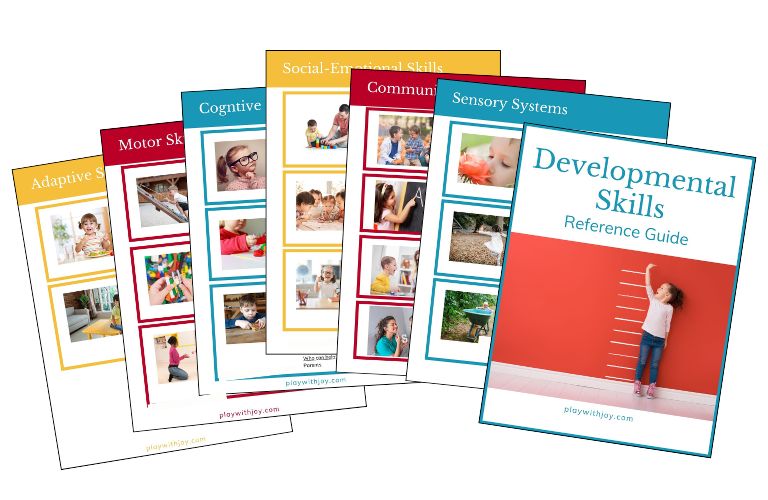
Get Your Free Developmental Skills Reference Guide
Parents, educators, and therapists – Add this to your toolbox to better understand key areas of child development. Plus get extra tips, activities and strategies to your inbox.
Unsubscribe at any time. See Privacy Policy for more details.













One Response