Have you ever found yourself wondering “Is my child developing at the right pace?” or “How can I help this child who seems stuck in one area?” -You’re not alone.
As parents, teachers, therapists, or caregivers, we all want to give the kids in our lives the very best start. The early years are when their brains are growing at lightning speed, and the most powerful way they learn is through play. But knowing which skills to focus on (and how to spot when extra support might help) can feel overwhelming.
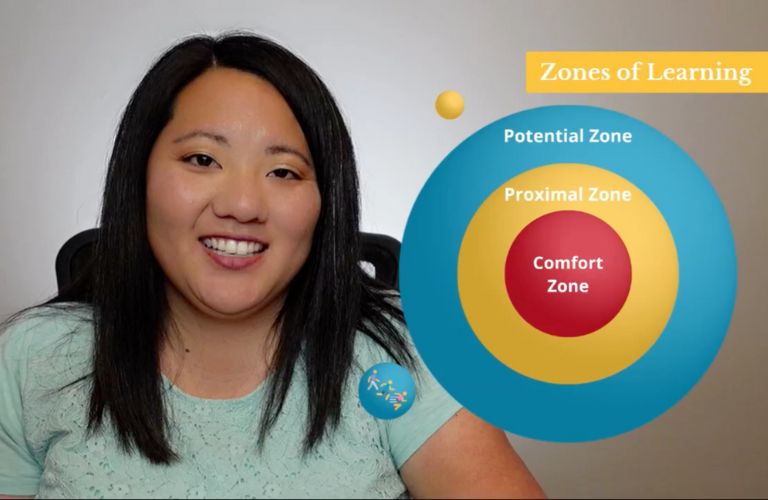
When I work with families, we regularly go through the child’s developmental skills. The reason we do this is so that we know where to meet the child at. I talk about this in the Zones of Learning. We want to know where the child is so we can work/play at the right level where the child will have the opportunities of the most growth. It can be a tricky thing to do if you’re not familiar with developmental skills, so let’s quickly go through them.
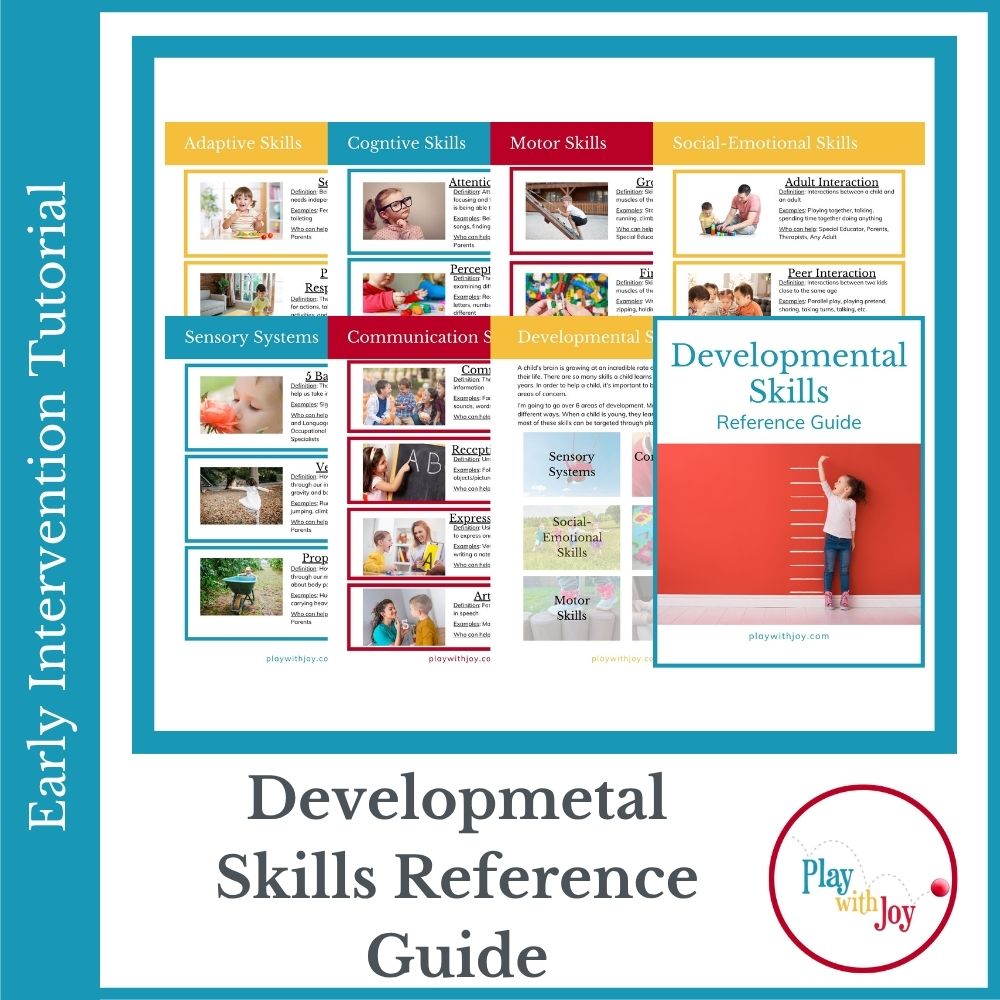
There are generally 6 areas of development that we talk about, although there are even more skills that aren’t included. However, this is a good place to start. If you look at the Early Intervention Tutorials, I also include Executive Skills, but those are skills that may come later and don’t fully develop until adulthood. I’m not going to talk about them in this post, but I’ll talk about it in other posts.
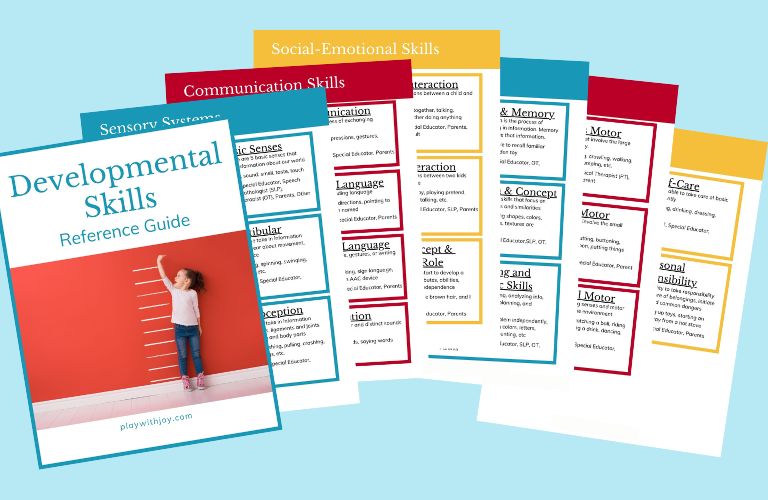
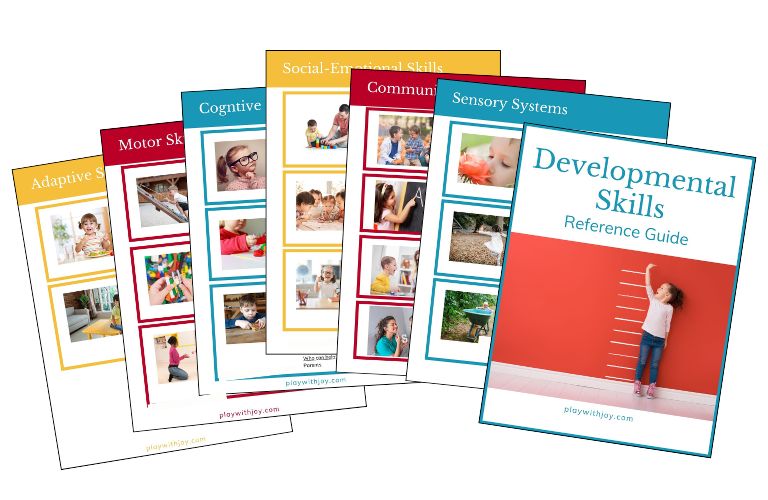
If you’d like a printable guide of these developmental skills, you can get a free copy of the Developmental Skills Reference Guide. Whether you’re a parent wanting a quick go-to guide to help you remember the areas of development, or you’re an educator or therapist looking for resources to help the families you work with, you can get your guide for free by filling out the form below.
Get Your FREE Developmental Skills Reference Guide Here
Just enter your name and email below and I’ll send you the Developmental Skills Reference Guide right away.
You’ll also get my occasional play tips and strategies delivered straight to your inbox (and you can unsubscribe anytime—no hard feelings!)
Sensory Systems
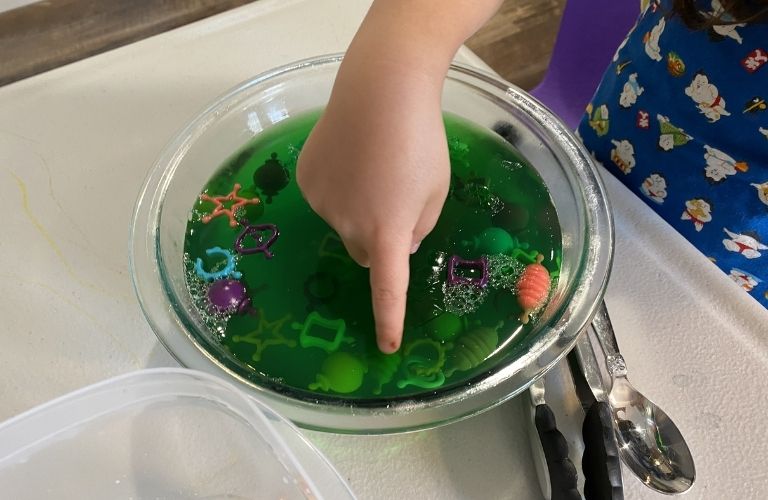
Our senses are how we learn about the world and are so important in a child’s development. Is there anything you’ve ever learned without using any of your senses? Most of us know the 5 senses: sight, sound, taste, touch, and smell. We also have our vestibular sense, proprioception, and interoception. Our vestibular system is how we take in information through our inner ear (movement, gravity, balance). Proprioception is how we take in information through our muscles, ligaments and joints. Interoception is a sense I didn’t learn until later in my career, and it’s how we sense everything that’s going on inside our bodies.
Communication Skills
Communication is the process of exchanging information. There is more to it than just saying words. It involves receptive language (understanding language), expressive language (using words, gestures, or writing to express oneself), and also articulation (forming clear and distinct sounds in speech).
Communication is important, and oftentimes it’s the most noticeable when a child isn’t saying any words yet so families start to seek out help. Sometimes we just want to get the child to start talking, but we forget that there are other skills that a child might need before speaking. If a child has a difficult time with attention and engagement, we need to work on those skills first.
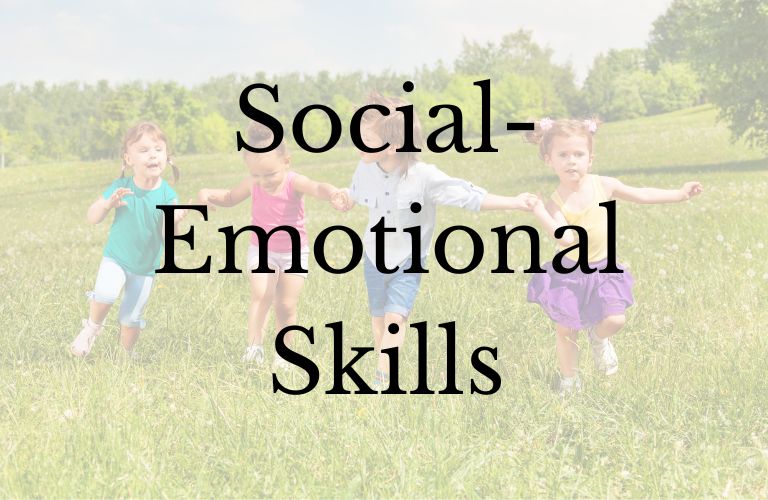
Social-Emotional Skills
When we look at social-emotional skills, we are looking at the interactions they have with adults and peers. Oftentimes kids will have an easier time playing with adults before peers because adults are more predictable, while peers can be very unpredictable at times. When this is the case, then we can help the child develop skills with an adult and then help them generalize their skills across environments and people. Social-emotional skills also include when a child starts to gain a sense of self and their social role. It’s always fun to see how proud kids are about the simple things in life like growing a new tooth, being able to balance on one foot, and showing you something they did.
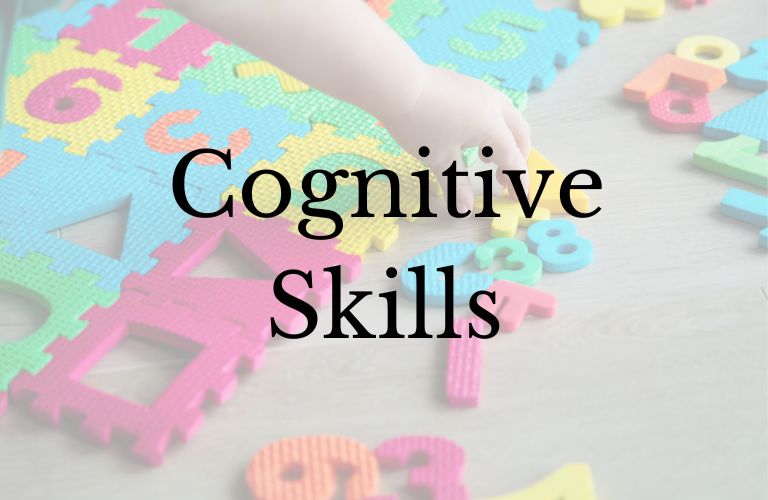
Cognitive Skills
Our cognitive skills overlap with most of our other skills because it’s all about learning. Cognitive skills include attention & memory. It includes examining similarities and differences with all of our different senses. Is it hot or cold, red or blue, hard or soft, sweet or salty, etc. It also includes problem solving, critical thinking, motor planning, and academic skills like math, science, and reading.
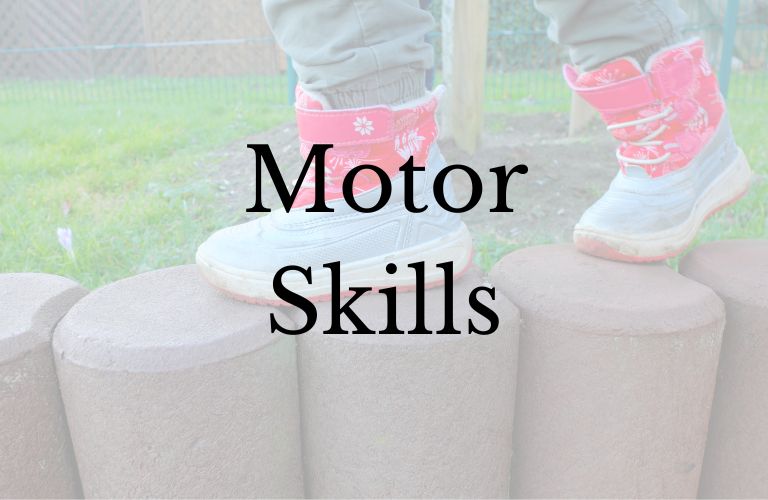
Motor Skills
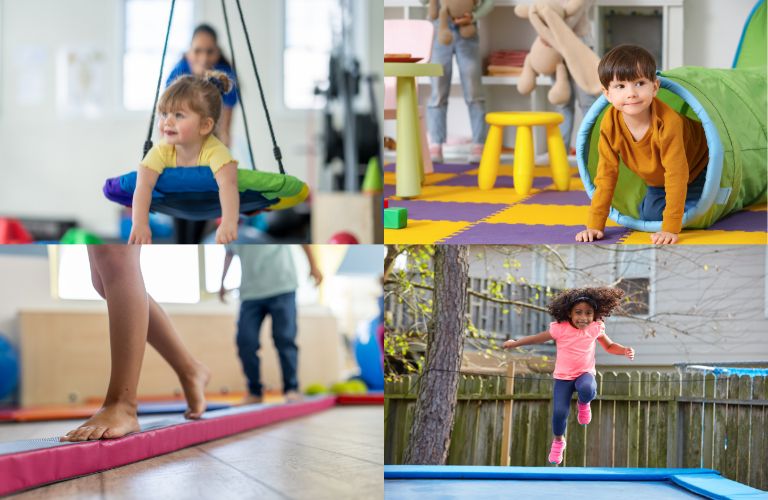
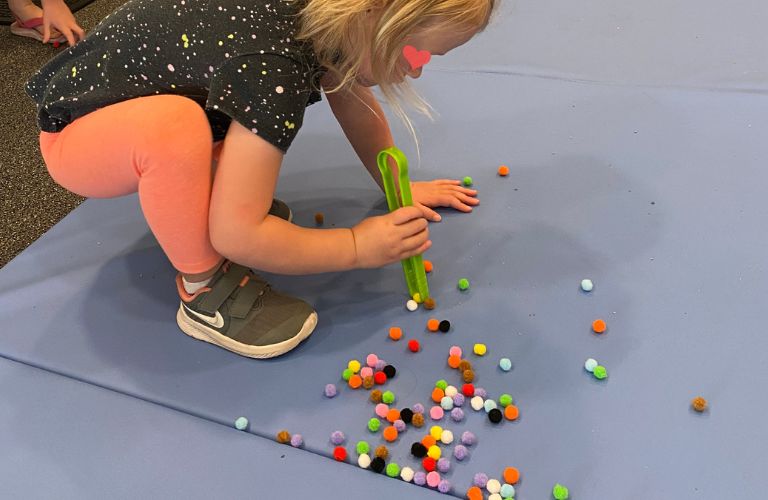
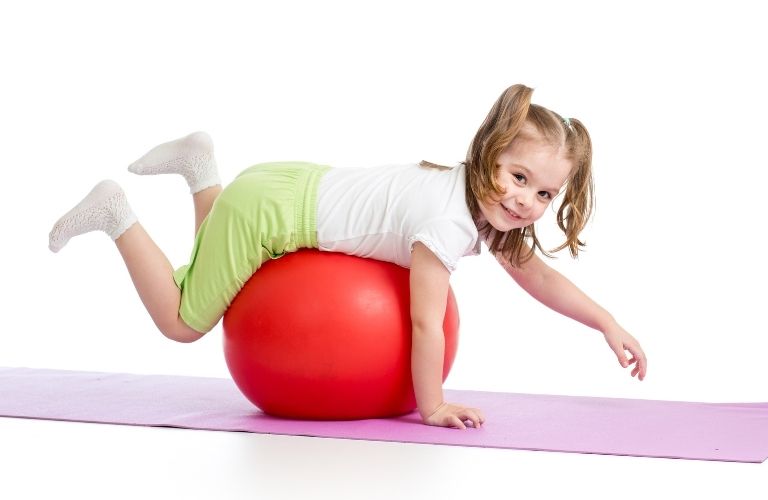
We have different kinds of motor skills. We have the skills that involve our large muscles in our body. For example climbing on the playground, these are called gross motor skills. Then we have the small muscles in our body, like in our fingers which involves activities like putting together legos, which are called fine motor skills. Then we have perceptual motor skills which involves coordinating our senses and motor skills to interact with the environment. This includes things like riding a bike, or pouring a drink.
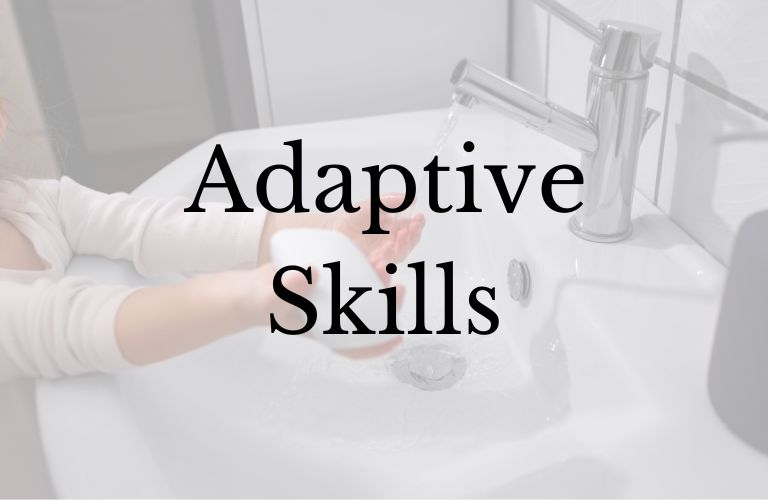
Adaptive Skills
Self-care and personal responsibility fall under adaptive skills. Things you might look at are things like whether a child can feed themselves, use silverware, wash their hands, go to the bathroom. Are they starting to take responsibility for their belongings, clean up when they spill, and stay away from touching the stove.
How Early Intervention Helps With Developmental Skills
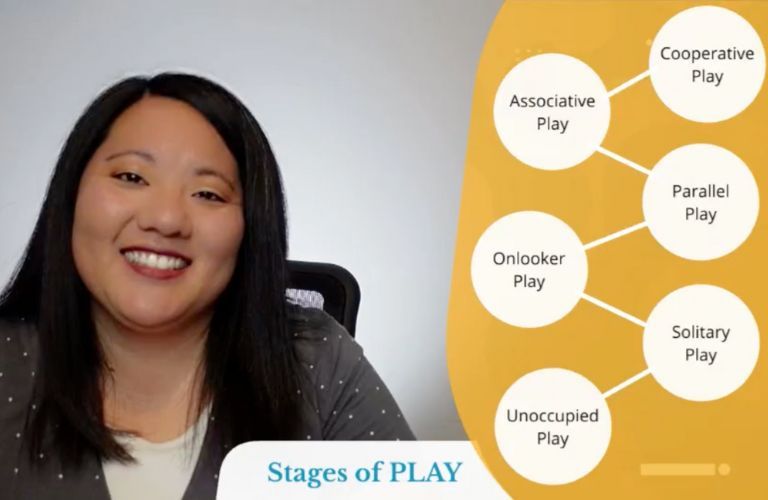
Now you know about the different areas of development, what are you supposed to do with that information? If there are areas that you see a child struggling with, then that’s where early intervention comes in. We find ways to adapt activities to target specific skills, but we still do it through play and by following the child’s lead as much as possible. This includes understanding the child’s stage of play and zones of learning.
Once you know where to meet the child at in their development, you can learn how to adapt an activity based on the child’s stage of play, and what developmental skills you want to target with the Early Intervention Tutorials. I will help walk you through a variety of ways to adapt different activities that are fun and engaging. Once you get the hang of it, you’ll be able to do it in the moment on your own. Little changes in how you play can make a big difference in a child’s development.
Don't Forget Your FREE Developmental Skills Reference Guide Here
Just enter your name and email below and I’ll send you the Developmental Skills Reference Guide right away.
You’ll also get my occasional play tips and strategies delivered straight to your inbox (and you can unsubscribe anytime—no hard feelings!)
Get Your Free Developmental Skills Reference Guide
Parents, educators, and therapists – Add this to your toolbox to better understand key areas of child development. Plus get extra tips, activities and strategies to your inbox.
Unsubscribe at any time. See Privacy Policy for more details.